Privet Hedge Getting Thin or Bare at the Bottom? Why It Happens
Quick Answer: A privet hedge goes thin or bare at the bottom when the lower branches stop getting enough light. Years of shearing build a dense shell of twigs on the outside that shades the interior, and a hedge that is as wide at the top as at the bottom keeps sun off its own base. Age, dead wood in the center, dry or shaded soil, deer browsing, and pests all add to it. The fix is renovation pruning that reopens the base to light and reshapes the hedge so the top is narrower than the bottom.
You planted the privet for privacy, and for a few years it did exactly that, a solid green wall from the ground up. Then you notice the bottom foot or two has gone see-through. The top is still full and leafy, but down low you can see bare stems, the neighbor's fence, and daylight straight through the hedge. Trimming it again only seems to make the problem worse, and you are left wondering whether the hedge is dying or you did something wrong.
Neither, in most cases. A privet that thins from the ground up is one of the most common hedge complaints on Long Island, and it almost always comes down to one thing: the lower branches are not getting enough light to hold their leaves. Once you understand why that happens, the path back to a full base is clear, and privet is one of the most forgiving hedges to bring back. Here is what is actually going on inside that green wall and what it takes to fix it.
Why the Bottom of a Privet Hedge Goes Bare
Privet is a rapid grower, which is exactly why it makes a good screen and exactly why it gets away from you. The same vigor that fills in a hedge quickly also drives the top to outgrow and overshadow the bottom.
Light starvation at the base
Leaves live where sun reaches them. When the upper canopy grows thick and broad, it shades the lower branches, and shaded twigs drop their leaves and die back. The base goes bare. This is a lighting problem before a health problem.
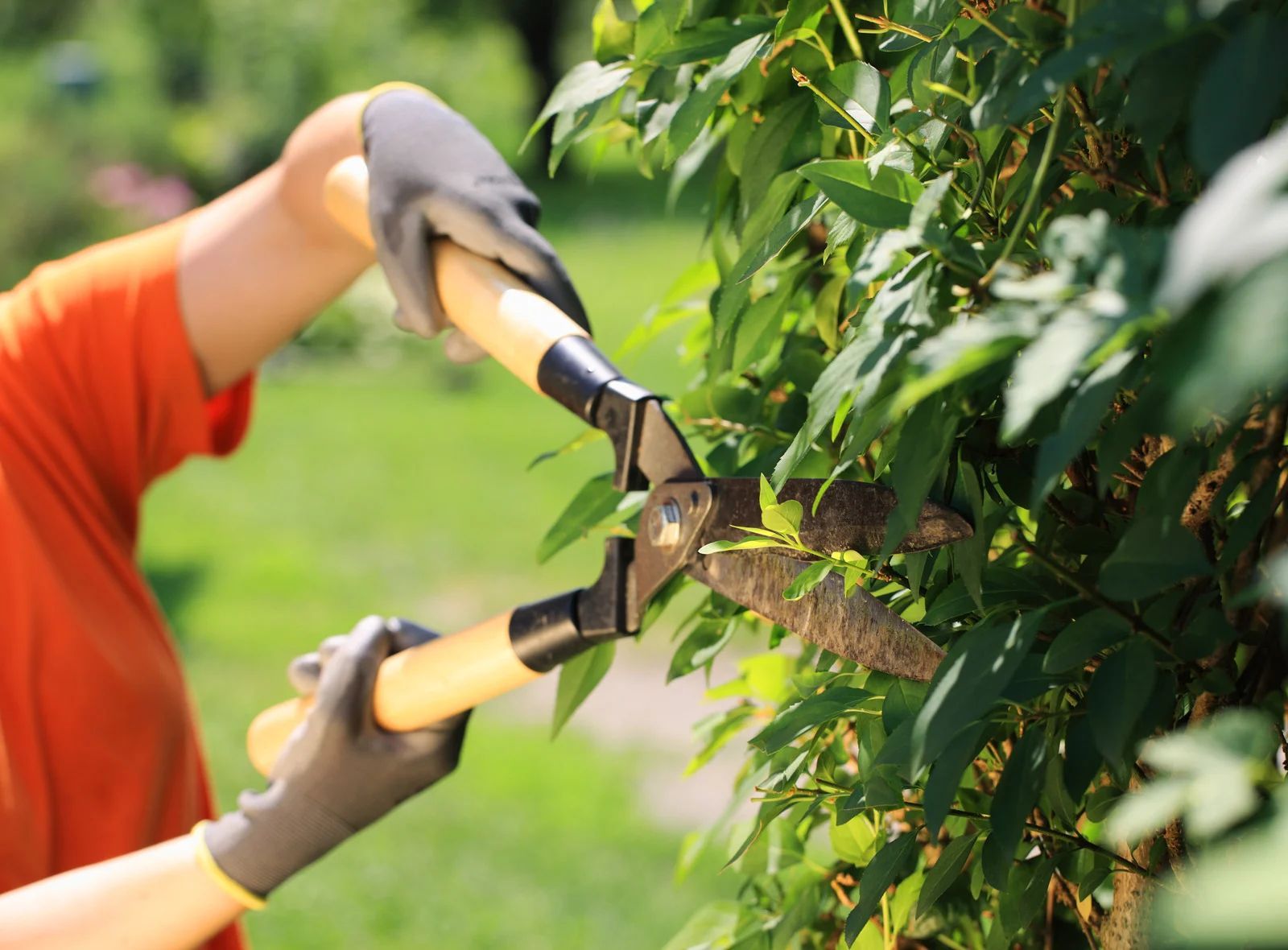
The shell of twigs from years of shearing
Every flat shearing pushes new shoots at the cut surface. Over years that builds a dense outer skin that shades everything behind it. Inside, older stems lose light, dormant buds stay asleep, and dead wood collects. The hedge grows hollow within.
A hedge shaped like a box or a mushroom
Most people trim vertical sides or, worse, a top wider than the bottom. Both shade the base. Lower privet foliage needs direct sun, which it only gets when the sides slope outward toward the ground so the top stays narrower.
Age and neglected interior
An older privet never opened up carries plenty of dead, twiggy wood inside. That congestion blocks air and light and gives insects shelter. A hedge in that condition keeps green only on the outer few inches while the interior goes hollow.
Pests and Disease That Thin a Privet From the Ground Up
Most bare-bottom privet is a light-and-shape story, but a share of it is pests or root trouble, and those need to be ruled out before you start cutting.
Scale and privet aphids
Sap-sucking insects like scale and aphids congregate on stems and the undersides of leaves, often heaviest lower on the plant and closer to the base. Heavy feeding yellows and drops foliage, and scale in particular clings to the bark where the interior stays humid and shaded. A privet thinning from the inside out is worth inspecting closely for these insects before you blame the trimming alone.
Honey fungus and root rot in wet ground
Privet is tough, but it has weak spots. In low, poorly drained pockets where water sits after coastal storms, roots can rot and the plant declines from the ground up. Honey-colored mushrooms clustered at the base of the stems, poor color, and dieback that does not bounce back after pruning can point to root disease rather than a shading issue. That distinction matters, because a hedge with failing roots will not respond to renovation the way a healthy, simply-shaded one does.
WARNING: Do not try to fix a bare bottom by cutting the hedge shorter across the top with a flat, wide profile. Shortening a top-heavy hedge without narrowing it keeps the base in shade and often triggers a flush of dense top growth that shades the bottom even more. Reducing height without reshaping the sides is the fastest way to make a thin-bottomed privet worse.
How the Base Comes Back: Renovation Pruning
The reason privet is such a common hedge is the same reason it recovers so well. Below the bark of every trunk and branch sit hundreds of dormant buds waiting for light. Give them sun and they break and grow, which is why a leggy privet can be rebuilt rather than replaced.
Reshape so the top is narrower than the bottom
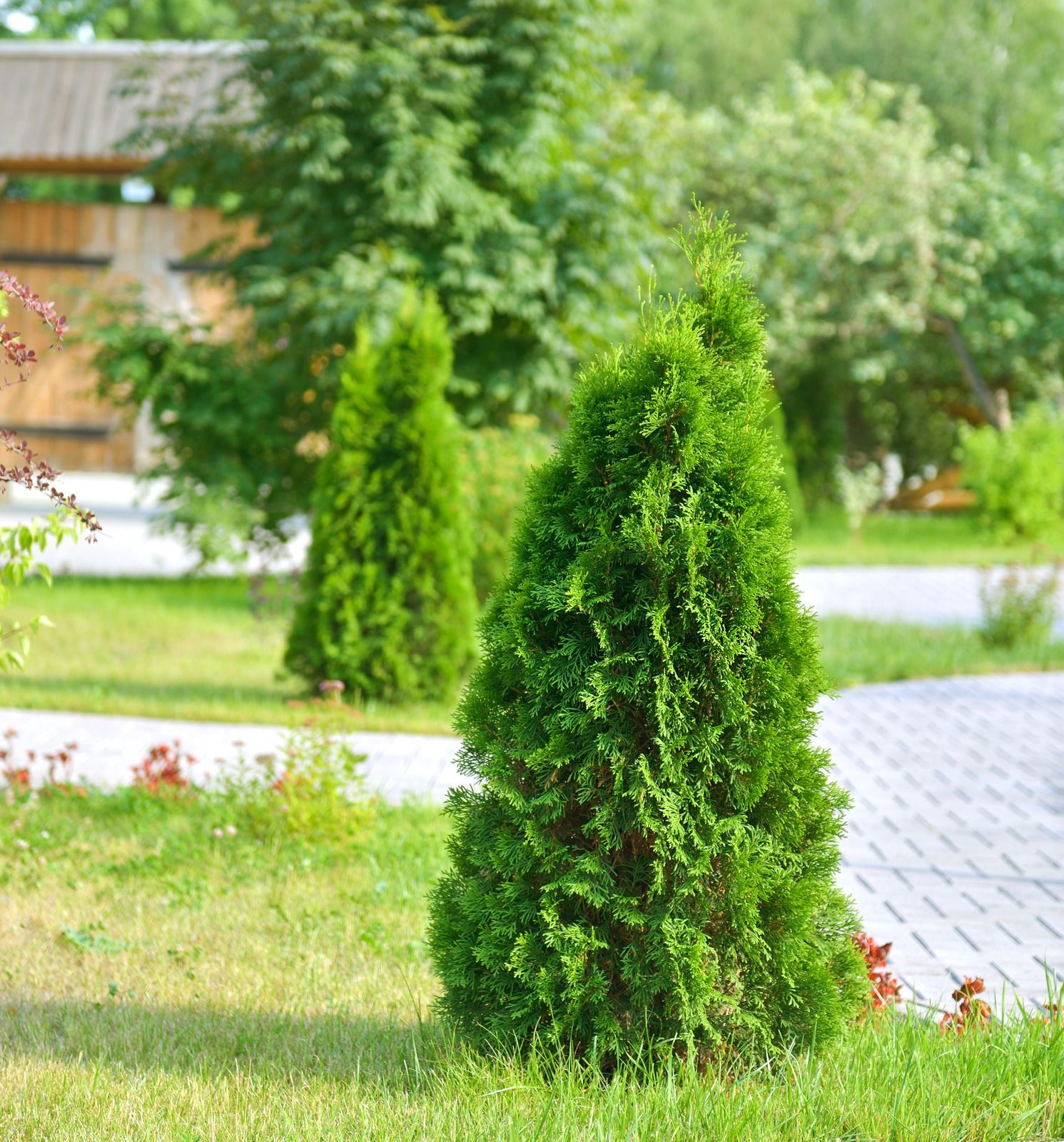
Taper the sides inward as they rise so the base stays widest and the top narrowest, a gentle A-shape. That change lets sunlight reach the lower branches, the base refoliates over a season, and a narrow top sheds heavy snow.
Hard renovation over two or three seasons
For a hollow, woody hedge, cut it back hard to force new growth from old wood. Healthy privet can be cut nearly to the ground and regenerates. Renovate one face per year over two or three seasons so screening continues.
Time the cuts for the dormant season
Do hard pruning in late winter, while the privet is dormant and before new growth begins. Cuts made then close quickly as the plant wakes, and the season is available for regrowth. Dormant work also exposes dead wood and pests.
Feed, mulch, and water while it rebuilds
A hard-cut privet asks a lot of its roots. A layer of mulch over the root zone holds moisture in fast-draining Long Island soil, and steady water through the season fuels new shoots, building a thick base by next year.
When Thin at the Bottom Means Something Else
Not every bare-bottomed hedge is a shaping fix. If the whole plant is off-color and thinning top and bottom, if pruning brings no new growth, if you find mushrooms at the base or the wood is soft and dead well up the stems, the issue may be root disease, severe pest pressure, or a hedge simply at the end of its life. Those cases call for a closer look before you invest a season or two in renovation, because cutting back a plant with failing roots only speeds its decline. An honest assessment of whether the roots and main stems are still sound is what separates a hedge worth renovating from one worth replacing.
Frequently Asked Questions
Will a bare privet bottom fill back in on its own?
Rarely. A bare base usually remains sparse until more sunlight reaches the lower branches. Reshaping the hedge with a narrower top, thinning dense growth, or performing renovation pruning encourages fresh shoots and restores fullness from the ground upward.
Can you cut a privet hedge all the way down and have it grow back?
Yes. Healthy privet responds well to hard renovation pruning and can produce vigorous new growth from older wood. For privacy, major reductions are often completed one side at a time over multiple seasons instead of all at once.
When is the best time to prune a privet hard on Long Island?
Late winter is the ideal time for heavy privet pruning because the hedge remains dormant before spring growth begins. Dormant-season cuts promote healthy regrowth, simplify structural corrections, and reduce stress while preparing the hedge for a full growing season.
Why does my hedge only thin on one side?
Uneven thinning is usually caused by environmental conditions rather than poor health. Shade from nearby structures, prevailing winds, coastal salt exposure, or deer browsing can reduce growth on one side while the opposite side remains dense and vigorous.
Is a thinning privet bottom a sign of disease?
Not usually. Most thinning results from inadequate sunlight and improper trimming rather than disease. However, persistent decline, poor color, mushrooms near the base, or signs of insect activity may indicate root problems or pest infestations requiring professional evaluation.
How do I keep the base full after I fix it?
Maintain a tapered hedge profile with the base wider than the top, prune regularly to preserve that shape, and allow light into the interior. Consistent watering, mulching, and protecting plants from deer help sustain healthy lower growth over time.
Bringing a Tired Privet Back to Full
Schedule a
hedge assessment
— A bare-bottomed privet is a shading and shaping problem that gets worse with every flat, wide trim, and correcting it takes the right cuts at the right time of year. Serving Suffolk County, New York for 15
years, Suffolk Tree Work LI
reshapes overgrown hedges to a light-friendly taper, clears out the dead interior wood, and handles hard renovation pruning one side at a time so your screen fills back in without losing its privacy, backed by quality workmanship and 24/7 emergency service when storms do the damage. Reach out to have your hedges assessed and put on a path back to a full, healthy base from the ground up.