Signs a Tree May Be Unsafe and Needs Removal on Long Island Properties
Trees are a vital part of the Long Island landscape, offering shade, beauty, and environmental benefits to residential and commercial properties alike. They enhance curb appeal, provide natural habitats for wildlife, and contribute to cleaner air and a healthier environment. However, while trees offer numerous advantages, they also carry risks when their health and structural integrity decline. Property owners must be vigilant, as a compromised tree can pose significant safety hazards, including property damage, injury, and costly repairs. Storms, heavy winds, and fluctuating weather conditions common to Long Island can exacerbate these risks, making proactive tree care even more critical. Regular monitoring and maintenance not only protect lives and property but also preserve the long-term health and value of the landscape.
Determining whether a tree requires removal can be challenging, especially when signs of decay or structural weakness are subtle. Not all trees showing signs of aging or disease need to be cut down immediately, but timely evaluation by a knowledgeable professional is essential. Understanding the indicators of tree instability, disease, or pest infestations empowers homeowners to make informed decisions before minor issues escalate into emergencies. Early identification of problems allows for safer, more cost-effective solutions, whether through treatment, pruning, or removal. This guide explores the most common signs that a tree may be unsafe, offering actionable insights to help property owners on Long Island protect their homes, families, and landscapes from potential hazards while maintaining the beauty and integrity of their outdoor spaces.
Visible Structural Damage
Cracks and Splits in the Trunk
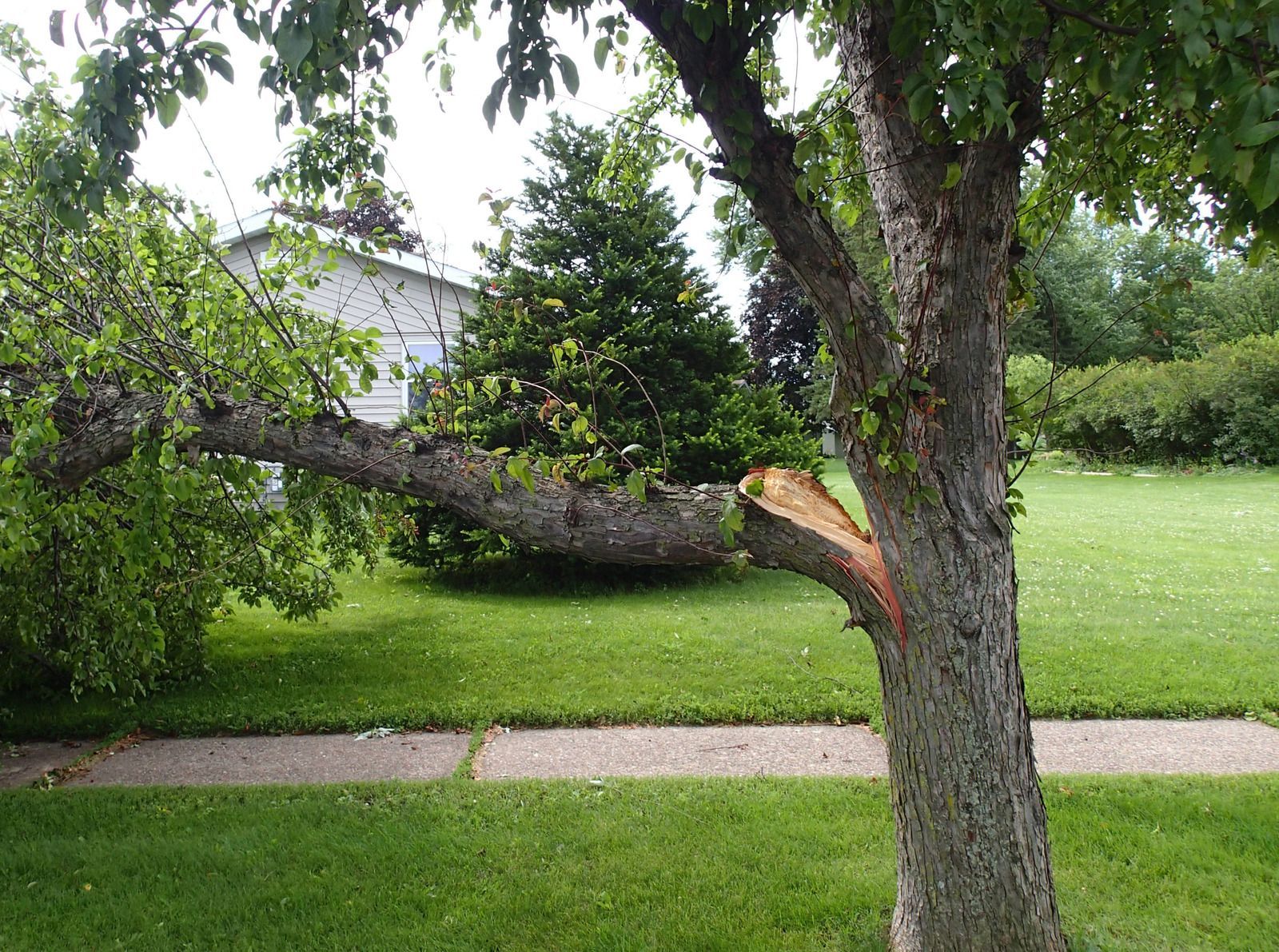
One of the most obvious signs that a tree may be unsafe is the presence of large cracks or splits in the trunk. These fissures often indicate internal decay or weakness, which can compromise the tree’s ability to support its own weight. Vertical splits that run along the length of the trunk are especially concerning, as they may suggest the wood fibers are failing. While small surface cracks may be harmless, deeper fissures can signal serious structural instability.
In real-world scenarios, homeowners have experienced large branches or entire trees collapsing during storms because internal splits were ignored. When inspecting your trees, look for wide gaps, areas where bark is separating, or changes in the texture and color of the wood around cracks. Regular monitoring can help determine if the damage is progressing over time.
Leaning Trees
A tree that is noticeably leaning can be another indicator of instability. While some lean may be natural due to growth patterns or environmental conditions, a sudden or increasing tilt often signals compromised root systems or soil erosion. Trees leaning toward buildings, power lines, or walkways present heightened risks, as even moderate winds can topple them.
Professional arborists use tools and techniques to assess the angle of lean and root health, helping property owners determine if removal is necessary. For homeowners, observing the soil around the base for upheaval or exposed roots can provide early clues of trouble.
Broken or Hanging Branches
Branches that are broken, hanging, or cracked pose immediate hazards. Dead or weak limbs may fall unexpectedly, especially during storms or heavy snow. These “widowmakers” can injure people, damage vehicles, or harm structures on your property. Regularly checking for deadwood and promptly removing compromised branches can prevent accidents and extend the life of the tree, but extensive limb damage may indicate a need for full removal.
Signs of Disease and Decay
Fungal Growth
Fungal growth on a tree’s trunk or base is a clear warning sign of decay. Mushrooms, conks, and other fungi often indicate that the tree’s internal wood is decomposing. Fungi feed on weakened or dead wood, gradually compromising structural stability. Even if the canopy appears healthy, internal decay can make the tree unsafe.
For instance, homeowners may notice mushrooms growing at the base and dismiss them as harmless. In reality, these fungi often develop when the heartwood is rotting, creating a hollow inside the tree. Early intervention can prevent potential property damage, but severe fungal infestations usually require removal.
Cankers and Bark Abnormalities
Cankers—sunken or discolored areas on the bark—can signify bacterial or fungal infections. Bark that is peeling, oozing, or showing unusual texture may indicate serious disease. Trees with extensive cankers may be unable to transport nutrients effectively, weakening the overall structure.
Observing bark changes over time is key. Healthy bark is generally consistent in color and texture, whereas diseased bark often appears dry, brittle, or sunken. Prompt evaluation and treatment can save some trees, but advanced infections often leave removal as the safest option.
Leaf Discoloration and Dieback
While seasonal changes naturally affect foliage, unexplained leaf discoloration or dieback in specific branches can indicate internal stress or disease. Yellowing, browning, or early leaf drop, especially when confined to certain sections, may suggest root damage, pests, or systemic infection.
Property owners should monitor these symptoms carefully, noting any patterns or progression. Trees with widespread dieback may no longer sustain themselves, increasing the likelihood of falling limbs or total collapse during adverse weather.
Pest Infestations and Environmental Stress
Insect Damage
Certain pests can severely compromise tree stability. Borers, beetles, and other wood-dwelling insects tunnel through the trunk and branches, weakening structural integrity. Tiny holes in the bark, sawdust-like frass on the ground, or unusual sap exudation are telltale signs of infestation.
An example from Long Island properties: homeowners have observed previously healthy oaks suddenly dropping large limbs after beetle infestations went unnoticed. Timely identification and treatment by a certified arborist can sometimes salvage the tree, but significant structural damage from pests usually necessitates removal to ensure safety.
Environmental Stress Factors
Trees exposed to prolonged drought, poor soil conditions, or repeated flooding may develop structural weaknesses. Environmental stress can exacerbate disease susceptibility and reduce a tree’s ability to recover from storm damage. On Long Island, properties near coastal areas or wetlands may experience soil erosion, root exposure, or saltwater stress, all of which contribute to instability.
Root Damage and Soil Issues
Visible root damage, such as decayed, exposed, or broken roots, can compromise a tree’s anchoring ability. Construction activities, underground utility work, or heavy foot traffic can disturb root systems. Signs like raised soil, cracks near the base, or leaning toward one side suggest root failure. Addressing these issues early is critical; otherwise, a tree may fall unexpectedly during wind or heavy rain events.
Risk Assessment and Decision-Making
Evaluating Potential Hazards
Identifying unsafe trees is only the first step; assessing the risk they pose is equally important. Consider the tree’s proximity to homes, walkways, and utilities. A moderately compromised tree in an open field may not warrant removal immediately, while a similar tree near a busy driveway requires prompt action.
Professional risk assessments use a combination of visual inspection, structural testing, and historical data to determine likelihood of failure. Factors include canopy density, trunk integrity, root health, and environmental exposure. Homeowners can perform preliminary observations, but final decisions should involve certified arborists to ensure accuracy and safety.
Consulting Certified Arborists
Arborists provide expert evaluations, employing tools such as resistographs, sonic tomography, or root scanners to detect hidden decay. Their recommendations balance safety, aesthetics, and cost considerations. Long Island homeowners benefit from professionals familiar with regional tree species, weather patterns, and common pests, as local expertise ensures accurate assessment.
Weighing Removal vs. Preservation
Deciding whether to remove or preserve a tree requires weighing multiple factors. If disease or structural damage is extensive, removal is often the safest choice. However, if only minor issues are present, targeted treatments, pruning, or cabling may extend the tree’s lifespan while maintaining safety.
For example, cabling can support weak branches, and soil treatment can improve root health, delaying removal for several years. Each decision must consider immediate hazards, long-term growth, and maintenance costs, ensuring homeowners make informed, responsible choices.
Preventative Measures and Ongoing Monitoring
Regular tree inspections are crucial for Long Island properties. Annual evaluations, especially after storms, help identify early warning signs before they escalate. Maintaining healthy soil, managing irrigation, and controlling pests can prevent many problems.
Documenting observations, photographing changes over time, and scheduling routine pruning further reduce the likelihood of emergency removals. A proactive approach not only protects safety but also enhances the longevity and beauty of the landscape.
Dependable Arborists Offering Comprehensive Tree Removal Services
Recognizing the signs of an unsafe tree is essential for protecting property, family, and community. Structural damage, disease, pest infestations, and environmental stress all contribute to the risk a tree poses. Timely assessment and professional guidance enable homeowners to make informed decisions, whether that means removal or implementing preservation strategies. By understanding these indicators and adopting proactive monitoring practices, property owners can mitigate hazards and maintain a safe, aesthetically pleasing environment.
Suffolk Tree Work LI, based in Suffolk County, New York, has extensive experience assisting homeowners in identifying and managing unsafe trees. With 15
years of service in the area, the company combines expert knowledge, advanced equipment, and a commitment to safety to
evaluate, prune, or remove trees
as needed. Suffolk Tree Work LI’s professionals provide thorough assessments, actionable recommendations, and skilled execution, ensuring that Long Island properties remain secure and visually appealing. Their reputation for reliability and expertise makes them a trusted partner for residential and commercial tree care solutions across the region.