Professional Tree Trimming vs. DIY: What Suffolk County Homeowners Should Know
Maintaining healthy trees is an essential aspect of homeownership, particularly in areas like Suffolk County where mature trees contribute to the beauty, shade, and environmental health of properties. Proper tree trimming ensures that trees grow safely and maintain their aesthetic appeal while preventing potential hazards caused by overgrowth, disease, or structural weakness. Homeowners often face the decision between hiring professional tree trimming services or attempting a do-it-yourself (DIY) approach. While DIY projects can be tempting for those seeking to save money or enjoy hands-on work, the complexity of tree care demands careful consideration. Making the wrong choice can result in damaged trees, costly mistakes, and even personal injury. Additionally, improperly maintained trees can affect nearby landscaping, reduce property value, and create liability risks during storms, making informed decisions even more critical for homeowners.
Professional tree trimming offers more than just convenience—it provides expert knowledge, proper equipment, and safe, precise techniques that preserve the health of trees while protecting your property. Conversely, DIY trimming may work for minor tasks but carries hidden risks that many homeowners underestimate. Professionals can identify early signs of disease, structural weaknesses, or pest infestations, ensuring interventions that support long-term tree health. Furthermore, scheduled professional trimming helps prevent emergencies, reduces future maintenance costs, and enhances the overall aesthetics of a property. This article explores the key differences, benefits, and challenges of professional versus DIY tree trimming, equipping Suffolk County homeowners with actionable insights to make informed decisions about maintaining the trees on their property.
Understanding Tree Trimming
What Tree Trimming Involves
Tree trimming is more than cutting branches—it is a strategic process aimed at promoting tree health, structural integrity, and aesthetic appeal. Proper trimming requires knowledge of tree biology, growth patterns, and the specific needs of different species. Professionals assess the tree’s age, type, and condition before removing branches to ensure the tree can continue to grow naturally and thrive. Trimming involves removing dead or diseased limbs, thinning dense areas for better air circulation, and shaping the tree to prevent interference with buildings, power lines, or other trees.
Importance of Proper Technique
Incorrect trimming can severely harm a tree, leading to decay, disease, or structural instability. Pruning at the wrong angle or cutting too close to the trunk can create wounds that do not heal properly. Professionals use precise techniques like crown thinning, crown raising, and selective pruning to enhance tree health while minimizing stress. In contrast, DIY trimming often lacks these nuanced methods, increasing the risk of long-term damage. For Suffolk County homeowners, understanding these techniques underscores the importance of deliberate, informed tree care.
Benefits of Professional Tree Trimming
Expert Knowledge and Experience
Professionals bring years of experience and technical expertise to every trimming project. They can identify subtle signs of disease, pest infestation, or structural weakness that homeowners may overlook. By addressing these issues early, professionals prevent costly future repairs and promote the longevity of the trees on your property. Their insight ensures that each cut contributes positively to the tree’s health rather than causing unintended harm.
Safety Advantages
Tree trimming is inherently risky. Climbing tall trees, handling chainsaws, and navigating power lines can result in serious injury if done incorrectly. Certified arborists and trained tree service professionals adhere to strict safety standards, using harnesses, ropes, and protective gear to prevent accidents. DIY trimming often underestimates these hazards, leading to falls, equipment injuries, or property damage. In Suffolk County, where mature trees are common, the safety advantage of professional services cannot be overstated.
Efficiency and Proper Equipment
Professional services use specialized equipment, including hydraulic lifts, pole saws, and industrial-grade chainsaws, to complete trimming efficiently and cleanly. This ensures precise cuts, reduces stress on the tree, and minimizes debris left behind. Homeowners attempting DIY trimming may lack the appropriate tools, which can result in uneven cuts, longer project times, and potential damage to the tree or surrounding property.
Long-Term Cost Savings
While professional tree trimming involves upfront costs, it often saves money in the long term. Proper pruning reduces the risk of disease, structural failure, and storm damage. Trees trimmed professionally are less likely to require emergency services or replacement, and maintaining healthy trees can enhance property value. DIY attempts may seem cheaper initially but can lead to expensive repairs if mistakes are made.
Challenges and Risks of DIY Tree Trimming
Common Mistakes Homeowners Make
DIY tree trimming is often motivated by cost savings or convenience, but homeowners frequently make errors that compromise tree health. Common mistakes include over-pruning, removing branches from the wrong location, or cutting at improper angles. Over-pruning can shock a tree, reduce its energy reserves, and increase vulnerability to pests and disease. Trimming too close to the trunk may prevent proper healing, leading to rot and long-term structural damage.
Safety Hazards
Handling sharp tools and working at heights poses significant risks. Homeowners without proper training may not use safety gear effectively or may misjudge the stability of limbs, leading to falls or injuries. Additionally, working near electrical lines introduces the risk of electrocution. In Suffolk County, where property layouts can include large, mature trees near homes and power infrastructure, these hazards are particularly concerning.
Hidden Costs of DIY Projects
While DIY trimming appears cost-effective, hidden costs can accumulate. Damaged equipment, medical bills from injuries, or emergency tree services after a botched attempt can quickly surpass the expense of hiring a professional. Additionally, improper trimming may reduce the tree’s lifespan or require more frequent interventions, further increasing long-term costs.
Best Practices for Homeowners
Assessing When to DIY vs. Hire Professionals
Not all tree trimming tasks require professional services. Small, low-risk branches that are easily accessible may be suitable for DIY trimming with proper tools and knowledge. However, for large trees, branches near structures or power lines, or trees showing signs of disease, professional intervention is strongly recommended. Homeowners should perform a thorough risk assessment before deciding.
Preparing for Professional Service
When hiring a professional, homeowners should prepare by clearing the area around the tree, marking hazards, and providing access to driveways or gates for equipment. This preparation allows professionals to work efficiently, reducing time on-site and minimizing disruption.
Tools and Techniques for DIY Trimming
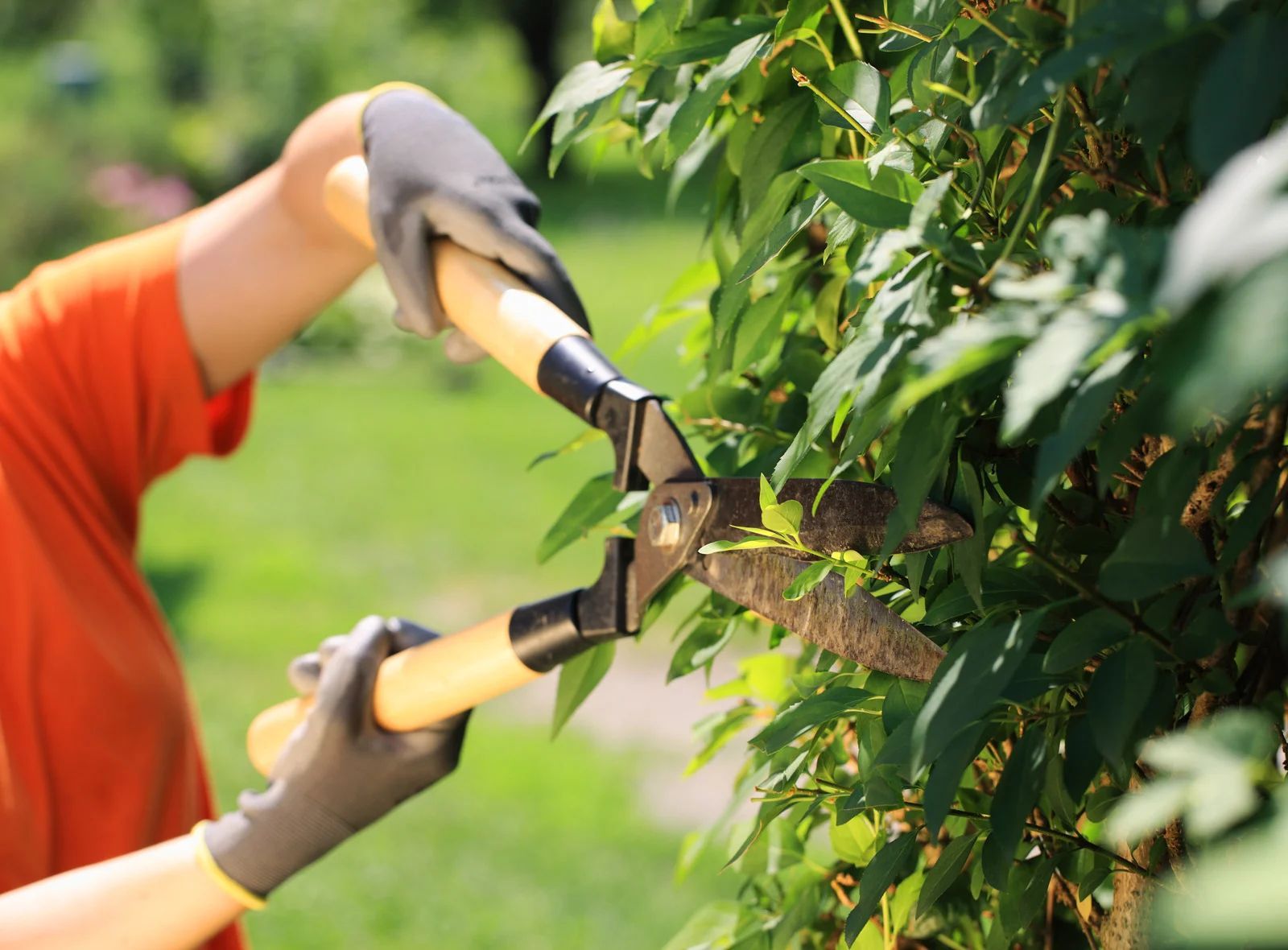
For minor trimming tasks, homeowners should use appropriate hand tools such as pruning shears, loppers, or small saws. Safety gear, including gloves, helmets, and eye protection, is essential. Techniques such as making clean cuts just outside the branch collar, avoiding excessive pruning, and trimming during the dormant season for certain species can reduce risk and promote healthy regrowth.
Real-World Scenarios
Scenario 1: Storm-Damaged Tree
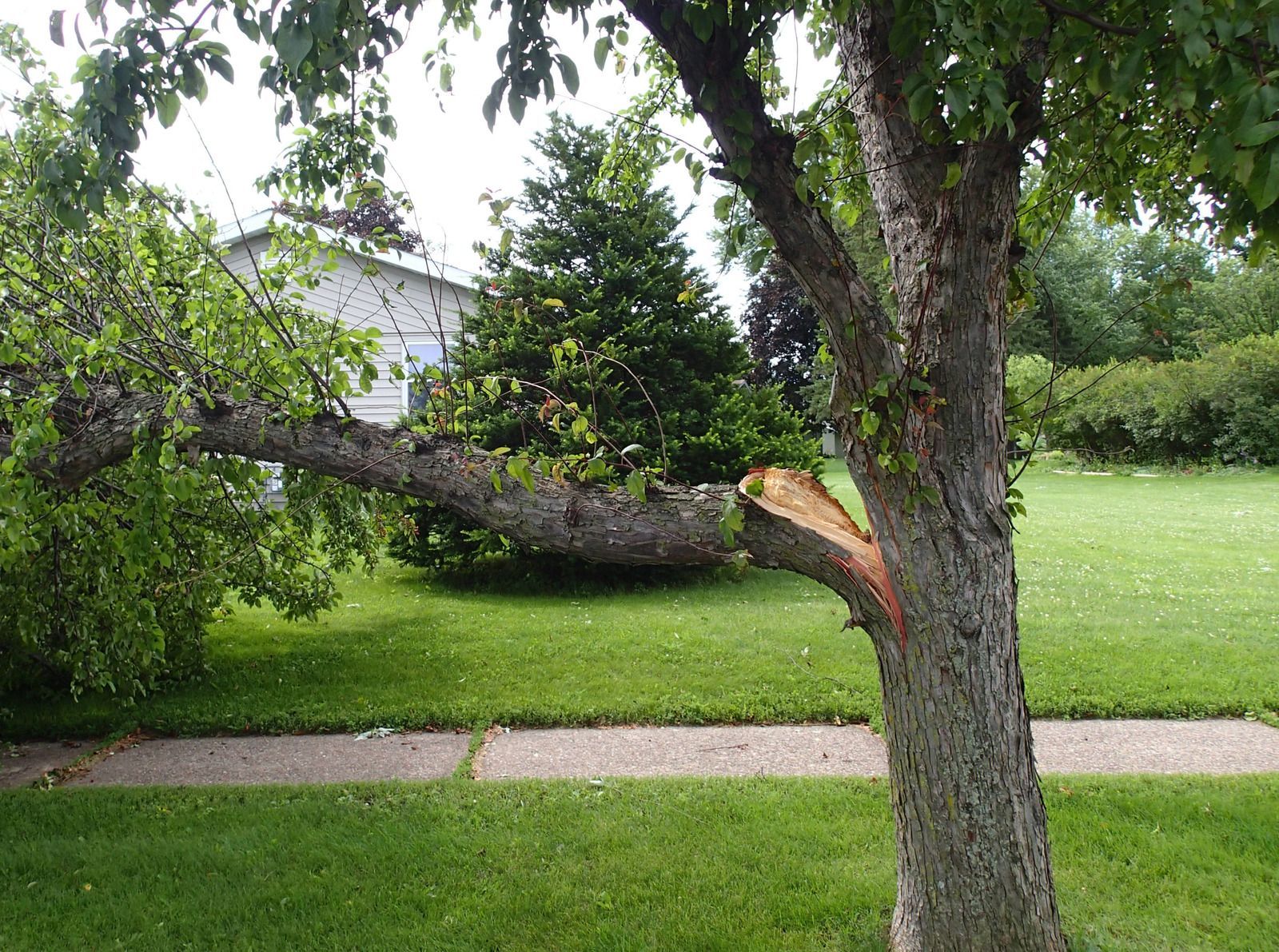
A Suffolk County homeowner noticed a large limb cracked and hanging after a storm. Attempting DIY removal without proper equipment led to a near accident and required emergency services to safely remove the branch. A professional team could have assessed structural stability, safely removed the damaged limb, and reduced stress on the remaining tree.
Scenario 2: Overgrown Decorative Tree
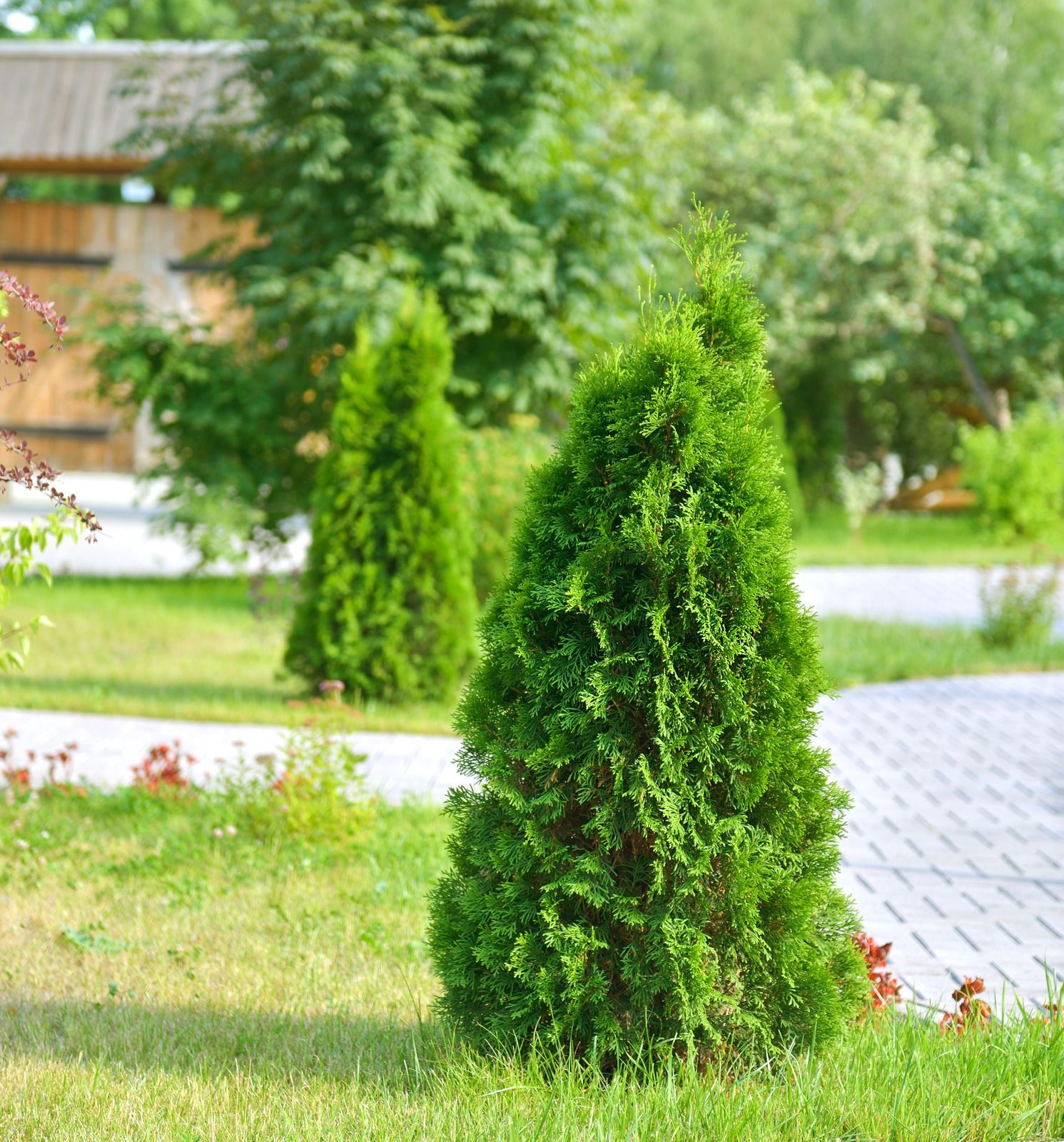
Another homeowner had an overgrown ornamental tree blocking sunlight and affecting nearby shrubs. Professional trimming improved sunlight penetration, enhanced aesthetics, and maintained the tree’s structural integrity. DIY trimming in this scenario risked uneven cuts and potential disease introduction due to improper techniques.
Scenario 3: Mature Tree Near Power Lines
Trimming a mature tree near power lines presents obvious dangers. Professionals trained in arboriculture and electrical safety can execute these projects without risk to property or personal safety. DIY attempts are highly discouraged due to the high stakes involved.
Environmental and Long-Term Benefits
Promoting Tree Health and Longevity
Proper trimming fosters stronger branches, encourages healthy growth, and prevents disease. Professionals know how to balance aesthetics with tree physiology, ensuring that each cut supports the long-term health of the tree.
Enhancing Property Value
Well-maintained trees contribute significantly to property value and curb appeal. Overgrown or damaged trees can detract from a property’s appearance and potentially pose liabilities. Regular, professional trimming ensures trees remain assets rather than liabilities.
Supporting Local Ecosystems
Healthy trees provide shade, improve air quality, and support local wildlife. Incorrect trimming can disturb nesting sites or damage habitats. Professional services are trained to minimize environmental impact while promoting sustainable tree care.
Certified Experts Preserving Trees with Proven Techniques
Tree trimming is a critical component of property maintenance that requires careful consideration and technical knowledge. While DIY trimming may be suitable for minor tasks, the risks of injury, property damage, and long-term harm to the tree often outweigh potential savings. Professional tree trimming offers safety, efficiency, and expert techniques that promote tree health, enhance property value, and reduce future maintenance costs. By understanding the differences between DIY and professional approaches, Suffolk County homeowners can make informed decisions that protect both their property and the well-being of their trees.
For homeowners seeking reliable, experienced tree care, Suffolk Tree Work LI in Suffolk County, New York, provides comprehensive tree trimming services backed by several years of expertise. Our team of trained arborists prioritizes safety, precision, and tree health, using advanced equipment and proven techniques to deliver exceptional results. Whether managing overgrowth, storm damage, or routine maintenance, Suffolk Tree Work LI ensures that each project enhances the beauty, safety, and longevity of your trees. Homeowners can trust us to combine local knowledge, professional skill, and personalized service, making tree trimming a stress-free and beneficial investment in their property.