Arborvitae Turning Brown or Splaying Open After Snow? What to Do
Quick Answer: An arborvitae splays open after snow because its multiple upright stems bend apart under the weight of wet, heavy snow, and if that load sits for days the branches can set in that bent position. Browning that shows up afterward is usually winter burn, cold, dry wind pulling moisture out of the foliage faster than frozen roots can replace it, and it typically appears on the side facing the sun and wind. The fix depends on timing: remove snow load quickly after a storm, tie splayed stems back together loosely in spring with a flexible material, and prune out anything that stays brown after new growth appears. A hedge that has opened up on one side, every winter, usually needs reshaping or bracing, not just a one-time fix.
Why Heavy Snow Causes Arborvitae to Splay Open
You go out after a nor'easter and the arborvitae hedge that has screened your yard for years now looks like it lost a fight. The top has pulled apart into two or three sections, branches are splayed wide open, and there is a gap where solid green used to be. A few weeks later, once the snow is gone, you notice patches of rust brown foliage on the side that faces the road or the water. It is tempting to assume the hedge is dead, but in most cases it is not, and what happens over the next few weeks matters more than what already happened during the storm.
Arborvitae is a workhorse privacy plant on Long Island because it grows fast, holds its shape, and tolerates the coastal conditions here better than most conifers. That same growth habit, several thin, upright stems bundled together instead of one solid trunk, is exactly what makes it vulnerable to snow. Understanding why the branches split apart and why the foliage browns afterward is the first step to knowing whether your hedge needs a quick tie-up or a harder look from an arborist.
Why Arborvitae Splays Open Under Snow
Arborvitae is a multi-stemmed evergreen. Instead of one dominant leader like a pine or spruce, most arborvitae varieties send up a cluster of vertical stems from the same root crown, held together mostly by their own growth habit rather than any structural connection. When wet, heavy snow piles onto the dense foliage, it adds a surprising amount of weight to those thin stems, and because they are not fused together, they bend outward independently instead of supporting each other. A tree that looked like a single green column suddenly resembles a hand with its fingers spread apart.
Wet Snow and Ice Are the Real Culprits
Heavy, wet snow and ice cling to arborvitae foliage, adding substantial weight. Unlike powdery snow, this concentrated load bends slender stems outward, especially during Long Island's wet nor'easter storms.
Time Under Load Matters as Much as the Storm
Arborvitae branches may spring back when snow is removed quickly. When heavy loads remain for days or weeks, stems can become set in their bent position and require repositioning.
Narrow, Upright Cultivars Are More Prone
Columnar and pyramidal arborvitae catch and retain more snow on their dense foliage. Tightly planted privacy hedges therefore experience greater outward pressure than broader plants with more room to flex.
Removing Snow the Right Way
Act While the Storm Is Still Fresh, If Safe
Remove fresh snow before its weight increases, but avoid working around unstable branches. Use a broom or flat rake handle to gently lift snow upward from underneath, clearing sections gradually from the hedge's bottom.
Do Not Shake or Beat Frozen Branches
Frozen arborvitae branches become brittle and can snap under sudden movement. Avoid shaking or striking ice-coated foliage. If branches are encased in ice, wait for warmer temperatures to soften it before attempting removal.
Prioritize the Most Severely Splayed Sections
When another storm is approaching, focus first on hedge sections already bending outward. These stems face the greatest stress and are more likely to remain permanently displaced if additional snow accumulates.
That's the part most homeowners miss. It's not the first storm that ruins the shape. It's the second or third one, piling on before the branches ever got a break.
Tip: Check your hedge again the morning after temperatures rise above freezing, even if you already cleared it once. Snow that partially melted and refroze overnight adds an ice layer that is heavier and harder to remove than the original snowfall, and it is often the second event, not the first storm, that does the lasting damage.
Fixing Branches That Splayed Open
Once the snow season has passed and you can see the full extent of the damage, assess which stems sprang back on their own and which are still bent outward. Branches that are still splayed open in spring generally need mechanical help to come back into position rather than time alone.
Tie Stems Together Loosely, Not Tightly
Gather splayed stems toward the center using soft, wide, UV-resistant tape. Avoid wire or rope, which can damage bark. Keep ties loose enough for natural movement.
Leave Ties on No Longer Than Two Growing Seasons
Arborvitae stems typically retrain within one or two growing seasons. Remove ties afterward to prevent girdling as stems thicken, and check them each spring.
Prune Anything That Is Broken Rather Than Bent
Bent stems can often be repositioned, but cracked or splintered branches should be removed. Cut back to healthy wood or a main stem to reduce decay risks.
Why the Foliage Turns Brown After Snow
Splaying and browning often show up around the same time, but they come from different mechanisms. Splaying is mechanical damage from weight. Browning is usually a moisture problem, and identifying which one you are looking at changes how you respond.
Winter Burn Is the Most Common Cause of Post-Snow Browning
Arborvitae loses moisture through its foliage even during winter. Frozen soil limits root uptake, while sunny, windy conditions increase moisture loss, causing exposed foliage to turn brown. Damage is often worse on south, southwest, or west-facing sides and may become noticeable only after snow melts and temperatures rise during late winter or early spring.
Salt Spray Adds to the Problem on Exposed Properties
Coastal salt carried by Long Island winds can settle on arborvitae foliage and increase moisture loss. Salt can also accumulate in soil near roads and driveways treated during winter. Hedges exposed to open water, traffic, or prevailing winds may therefore develop more browning because salt exposure compounds the effects of winter dryness and freezing conditions.
Not Every Brown Patch Is Winter Weather
Insects and diseases can also cause arborvitae foliage to brown. Bagworms, scale, Phomopsis, and Pestalotiopsis tip blights may create isolated dead tips, cankers, webbing, or bag-like structures. Close inspection can help distinguish these problems from winter burn. Cold, drought, and other environmental stress can also weaken plants, making them more susceptible to secondary pest and disease issues.
WARNING: Resist the urge to shear off all the brown foliage the moment you see it in late winter. Arborvitae does not reliably push new growth from bare, older wood the way some broadleaf hedges do, so cutting into a section that is still partly alive can leave a permanent hole rather than triggering regrowth. Wait to see what leafs out before you cut.
Telling Live Wood From Dead Wood
Before pruning anything, check whether the brown tissue is actually dead. Scratch a small section of bark on a suspect branch with a fingernail: green tissue just underneath means the branch is still alive, even if the foliage looks bad, while brown, dry tissue all the way through means that section will not recover. You can do the same check on buds by gently peeling back the outer scales to look for green inside.
Give winter-burned arborvitae until late spring before making a final call. New growth on healthy stems typically fills in the burned areas within one to two growing seasons, and foliage that looked hopeless in March can green up substantially by June. But if a branch tests dead, prune it back to a live lateral branch or all the way to the main stem rather than leaving a bare stub, since a clean cut at a live junction heals faster and looks better as the surrounding foliage regrows.
When to Bring in a Professional
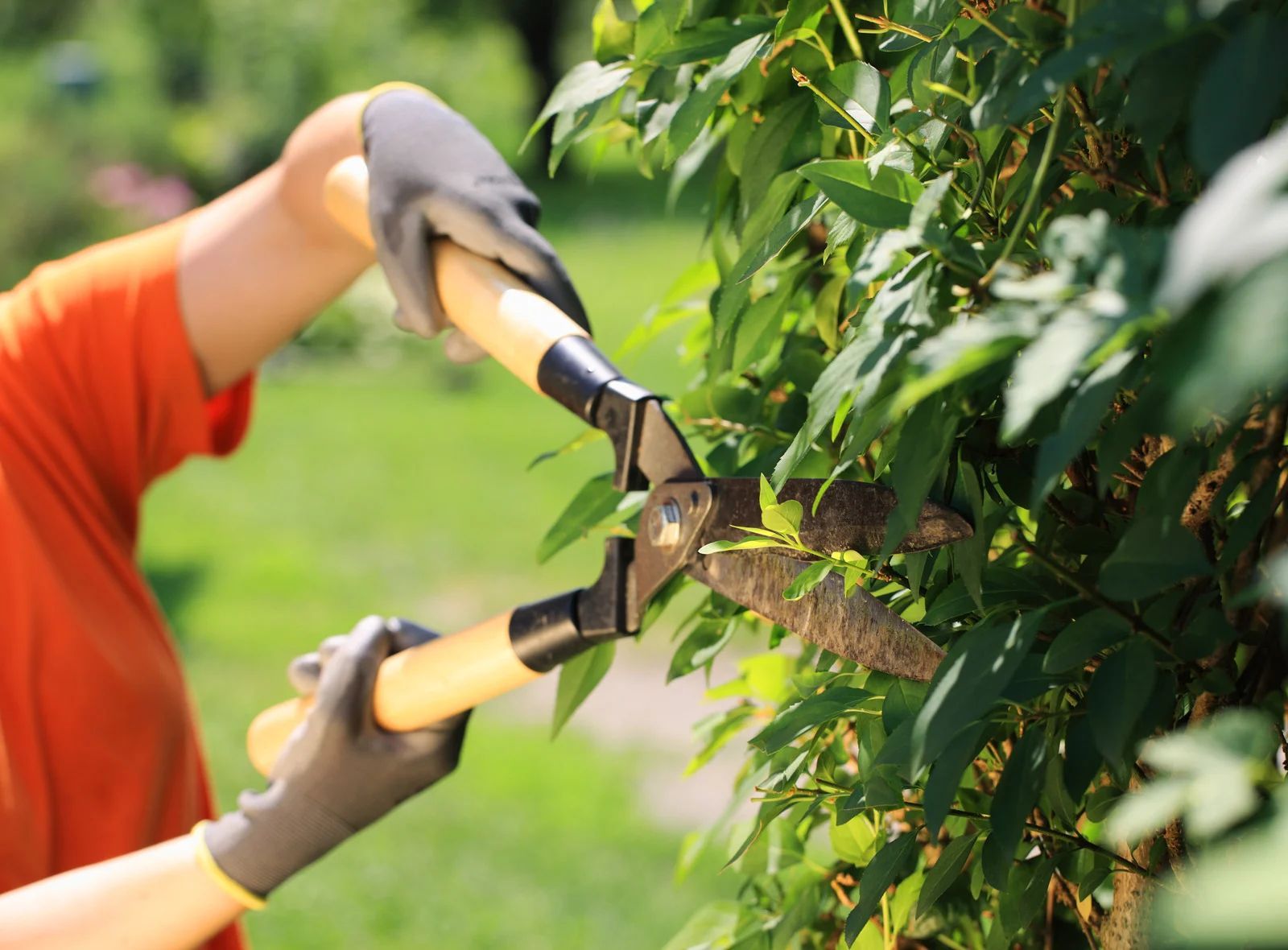
A hedge with light splaying and a manageable amount of winter burn is often a project you can handle yourself with a broom, some flexible ties, and patience through spring. A few situations call for a closer look from someone who works with these hedges every day.
If the damage is more than ten or twelve feet up, tying and pruning from a ladder gets dangerous fast, and a fall from height working around a hedge is not worth the risk of a DIY fix. If entire stems have snapped rather than bent, or if a hedge that provides your main privacy screen has lost more than a quarter of its canopy, the repair calls for judgment about what to save, what to cut, and how to reshape the remaining growth so it does not just splay again next winter. And if the same section of hedge opens up every year regardless of how carefully you clear snow, that is usually a sign the plants need structural correction, whether that is professional-grade bracing, selective thinning to reduce how much snow the canopy catches, or in some cases replacement of individual stems that have been bent too many times to hold their shape.
Keeping It From Happening Again
A hedge that splays every winter is telling you something about its shape or its exposure, and the fix is rarely just to tie it back together and wait for the next storm. Reducing how much snow the canopy catches, whether by thinning dense interior growth so wind and snow move through more easily or by correcting a top-heavy profile that traps more weight than it should, cuts down on how often you are out there with a broom at midnight during a storm. Hedges in the most exposed, windward spots on a property benefit from windbreak protection or looser spacing between stems, since a screen packed shoulder to shoulder holds more collective snow load than one with a bit of breathing room.
A splayed, browning arborvitae hedge after a hard Long Island winter is common, and it is usually recoverable with the right response at the right time. Clear the snow before it sets, retie what has opened up once spring arrives, wait to prune until you can tell live wood from dead, and treat any pattern of repeat damage as a sign the hedge needs a structural fix rather than another round of quick ties.
Frequently Asked Questions
How long does it take for arborvitae to recover from snow splaying?
Arborvitae usually recovers within one to two growing seasons. Tied branches gradually regain shape, while winter-burned foliage may noticeably improve by early summer.
Will arborvitae branches close back up on their own without tying?
Sometimes, if branches were bent briefly. Branches held open for weeks usually need flexible ties to retrain them and restore their upright shape.
Is brown arborvitae foliage after winter always dead?
No. Winter burn can leave foliage brown while branches remain alive. Check for green tissue beneath the bark and wait until late spring before pruning.
Can I prevent arborvitae from splaying every winter?
Yes. Clear snow promptly, loosely tie vulnerable stems, and reduce excessive snow-catching growth. Repeated severe splaying may require professional pruning or structural bracing.
Does salt spray make arborvitae browning worse than inland plantings?
Yes. Coastal salt spray and road salt increase moisture loss, making arborvitae more vulnerable to winter browning than plants growing in sheltered inland locations.
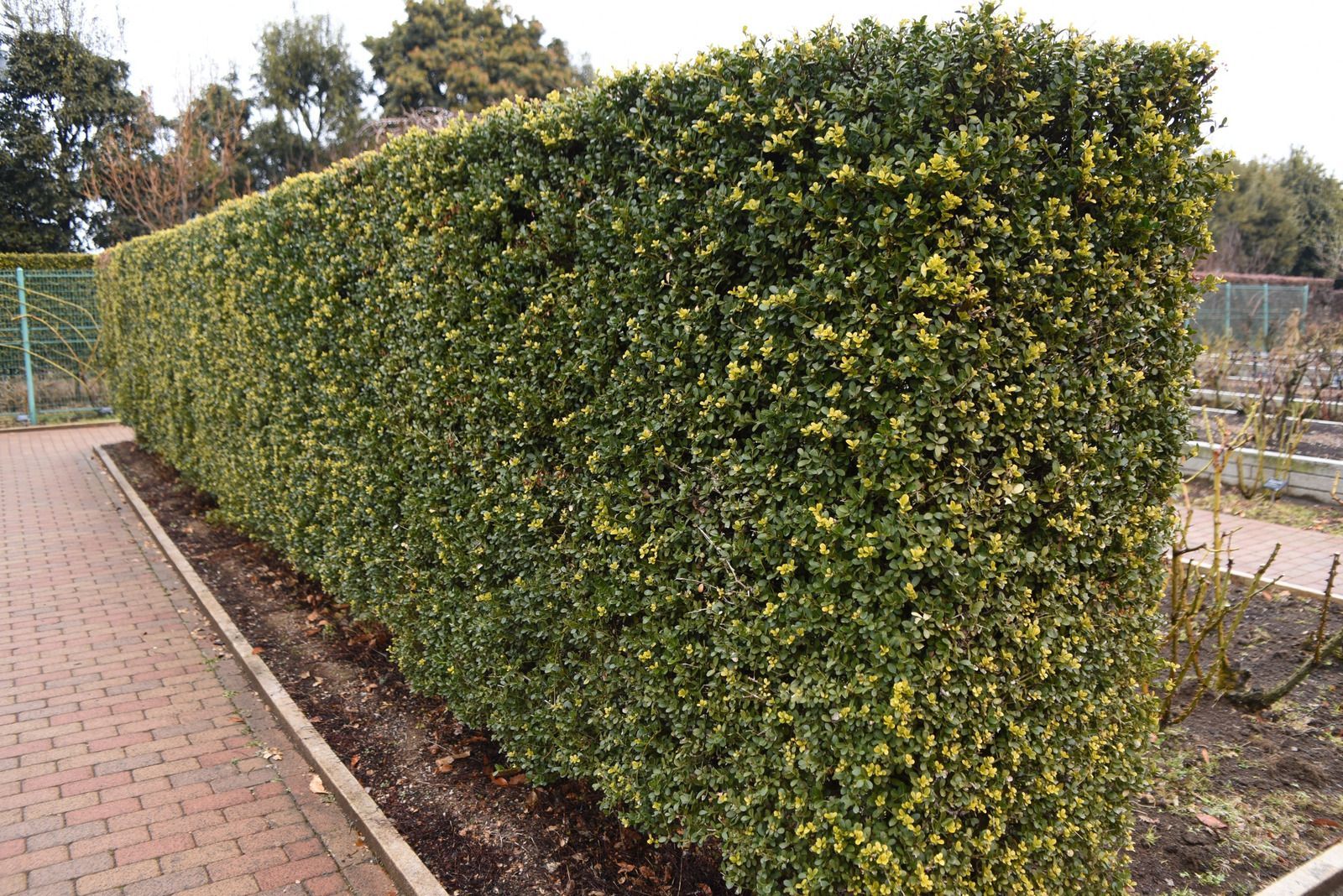
What Healthy Recovery Looks Like After Winter Damage
For homeowners in Suffolk County, NY, proper timing makes the difference between recovery and unnecessary loss. Suffolk Tree Work LI
has served Suffolk County, NY for 15
years, helping property owners understand
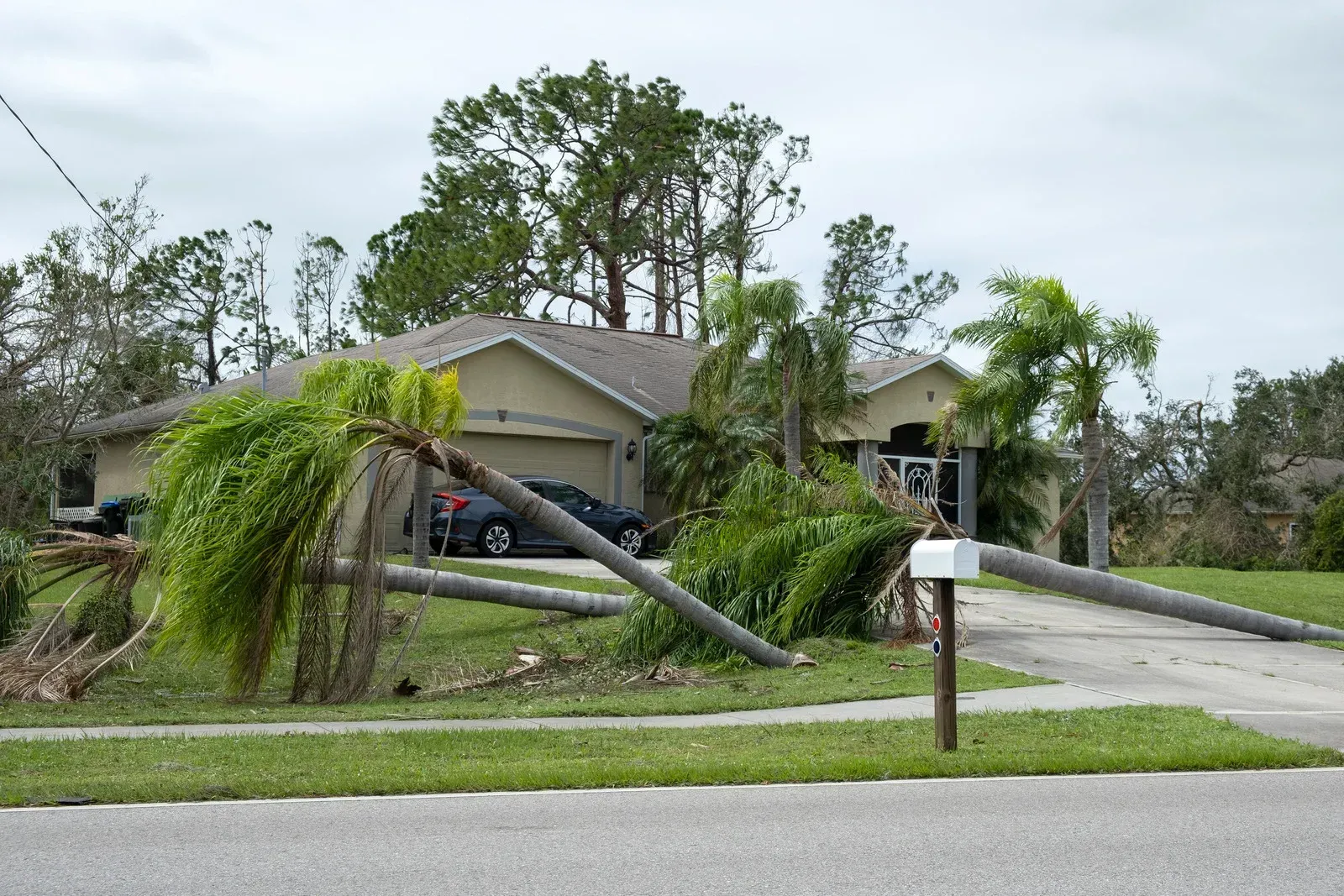
storm-related tree and hedge damage
and choose practical corrective work. A patient approach allows arborvitae to recover naturally while addressing the structural weaknesses that could leave the hedge vulnerable when the next heavy snow arrives.