How Often Should You Trim Hedges to Stay Dense? The Timing Mistake That Thins Them Out
Quick Answer: A hedge gets denser from how often it's cut, not just from how it's cut, because every trim removes the growing tip that was suppressing the buds below it, which forces several new shoots to break where there was only one before. Young, establishing hedges build that branching fastest with light shearing two to four times through the growing season, while a mature formal hedge usually holds its density on one to three trims a year depending on species and growth rate. Flowering hedge shrubs run on a separate clock: spring bloomers get cut right after they finish flowering, and summer bloomers get cut back in late winter before new growth starts. The costliest timing mistake on Long Island is a hard trim after mid-summer, since the soft new growth it triggers often hasn't hardened off by the time a hard freeze arrives and dies back over winter. A hedge kept a little wider at the base than the top holds its foliage lowest to the ground for the longest, since the lower branches keep getting the light that a top-heavy shape would otherwise block.
You've trimmed the same hedge every fall for years, right on schedule, and it still isn't doing what a hedge is supposed to do. The top is thick and green. Crouch down and look along the base, though, and you can see straight through to the fence posts and the neighbor's shed. Somewhere along the way, "trimmed regularly" stopped meaning "getting denser." The cuts were happening, the hedge was staying roughly the right size, and the interior kept opening up anyway.
That gap between trimming and density isn't a fluke, and it isn't a sign the wrong species got planted. It comes down to two things most trimming schedules get wrong without anyone noticing: how often the cuts happen relative to the plant's growth stage, and whether the shape of the hedge lets light reach the branches that are supposed to be filling in low. Get the frequency and the timing right for what the hedge actually is, and density stops being something you hope shows up eventually and starts being something the schedule builds on purpose.
How Trimming Frequency Actually Builds a Denser Hedge
A Growing Shoot Suppresses The Buds Behind It
Every actively growing branch tip produces a signal that keeps dormant buds lower on the same stem shut down. This directs the plant’s energy toward one dominant growing point instead of multiple branches. Left untrimmed, that dominance makes hedge shrubs grow taller and leggier rather than rounder, fuller.
Cutting The Tip Removes That Suppression
Cutting off the growing tip removes suppression affecting lower buds. Several dormant buds can then break simultaneously, replacing one growing point with multiple new shoots. Each new shoot can repeat the process after another trim. That branching response, rather than cutting itself, is what creates a dense, fuller hedge.
Frequency Decides How Many Times That Response Happens
A hedge trimmed once yearly gets one major branching response around the cutting height. Several well-timed trims during the growing season repeat that response across different heights, creating more stems and a denser framework. Infrequent trimming instead produces a thin outer shell with little branching beneath it.
This only works within reason. Shearing so often that the plant never gets to push real leaf growth between cuts weakens it instead of thickening it. The goal with a young or thin hedge isn't constant cutting, it's timing each trim to land after there's enough new growth for the plant to respond to.
Why a Young Hedge Needs a Completely Different Schedule Than a Mature One
The First Two To Three Seasons Set The Base Structure
A newly planted hedge needs light shearing several times during the growing season rather than one annual cut. Shaping early, even while the hedge looks small, encourages branching near the base. Waiting until it reaches target height allows tall, thin growth that becomes difficult to correct later.
A Mature Hedge Is Maintaining Density, Not Building It
Once the branching framework is established, trimming becomes mainly about maintaining shape and controlling seasonal growth. A mature formal hedge typically needs one to three trims annually, depending on growth. Aggressive, frequent shearing is unnecessary once density is established and can create avoidable stress.
Growth Rate Shifts Where A Hedge Sits In That Range
Growth rate determines how often a mature hedge actually needs trimming. Fast-growing privet may require three seasonal cuts to remain tidy, while slower species can stay attractive with one well-timed trim. Matching the schedule to actual growth keeps the hedge dense, controlled, and less likely to gradually open up.
Timing Windows Differ by Hedge Type
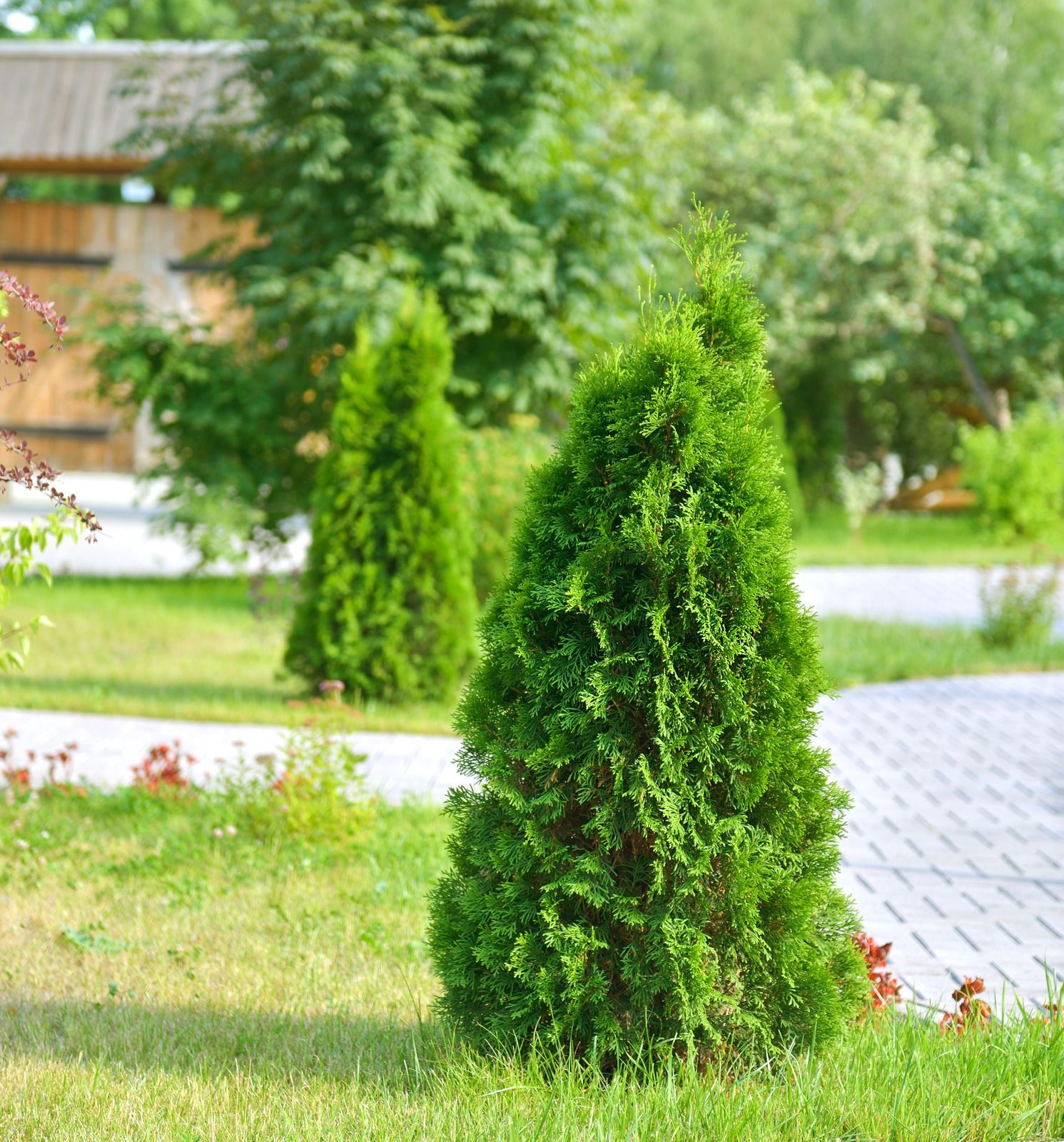
Formal evergreen hedges, the sheared privet, boxwood, and arborvitae lines that make up most privacy screens, are generally trimmed through the active growing season, with a first shaping cut once new growth hardens in late spring and a follow-up in mid-summer to clean up the season's growth before it gets shaggy.
Flowering hedge shrubs work on an entirely different calendar, and getting it backward costs a season of blooms without actually harming the plant. Species that flower in spring do it on wood that grew the previous year, so they need to be cut back right after the flowers fade, not before — cutting a spring bloomer in late winter, when it's tempting to get ahead of the season, removes the flower buds that already formed and skips the bloom entirely. Species that flower in summer do it on new growth from the current season, so the right window is late winter or very early spring, before that new growth starts, giving the plant a full season to push the wood it will flower on.
A property with a mix of formal evergreen hedging and flowering hedge shrubs is really running two separate trimming calendars at once, and treating them as one schedule is where density gets lost on one or both.
Coastal exposure makes the margin for error even smaller, since wind off the Sound or the ocean dries out fresh cuts faster and carries salt that stresses new growth before it's had a chance to harden.
WARNING: The single most damaging timing mistake for hedges on Long Island is a hard trim in late summer or fall, close to the first real cold snap. Shearing stimulates a burst of soft new growth almost immediately, and that new growth needs weeks of mild weather to harden off, developing the thicker cell walls that let it survive freezing temperatures. A hedge sheared too close to winter, especially ahead of an early nor'easter or an abrupt cold snap off the water, gets caught with tender, unhardened growth that browns out and dies back over the following months. The hedge usually survives, but it loses the very growth the late trim was supposed to encourage, along with a full growing season spent recovering instead of filling in. Stopping hard shearing well before the season's first hard frost, and limiting any late cuts strictly to removing dead or damaged wood, avoids the setback entirely.
Getting the Taper Right So the Base Doesn't Thin Out
Timing and frequency solve the branching side of density. The other half of the problem is simpler to overlook: a hedge can be trimmed on a perfect schedule and still go thin at the bottom if its shape is blocking light from ever reaching the lower branches.
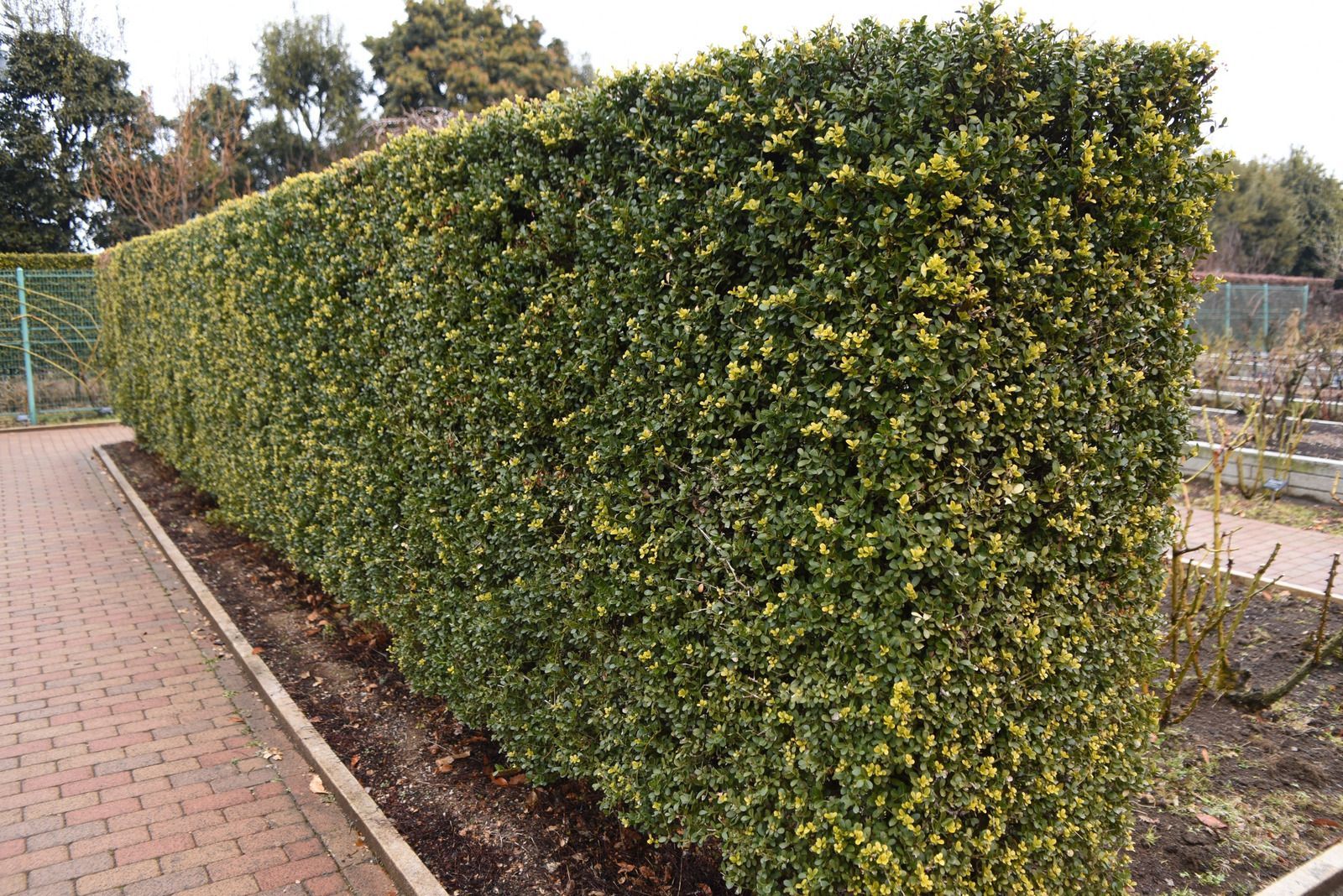
A hedge sheared with vertical sides, or worse, one that's slightly wider at the top than the base, shades its own lower foliage more every year. The top canopy intercepts the sunlight the bottom branches need, those branches produce less leaf in response, and eventually they stop producing foliage at all. This happens gradually enough that most homeowners assume the plant is simply aging rather than connect it to the shape of the cut.
Tip: Shape the hedge like a shallow, modified pyramid, noticeably wider at the base than at the top, rather than a straight-sided box. When shearing the sides, angle the blades in slightly as you move upward instead of holding them perfectly vertical, so the top ends up a few inches narrower than the base on a hedge in the five to six foot range. This lets sunlight reach the lower branches at an angle even once the hedge is tall, which is what keeps them producing foliage instead of going bare. It also sheds heavy, wet snow more evenly across a sloped surface rather than letting it pile flat on top, where the added weight can press the outer branches outward and open gaps that take a full season to close back up. Step back and check the taper every few passes rather than only at the end, since it's easier to correct a slight lean in the cut line early than after the whole hedge has been shaped around it.
When Professional Hedge Maintenance Makes Sense
A homeowner with a small, single-species hedge on a simple maintenance schedule can often keep it in good shape with a pair of shears and some attention to timing. Where it gets harder to manage without training is matching the right frequency to a hedge's actual age and growth stage, running two different calendars for mixed formal and flowering hedging on the same property, and correcting a hedge that's already thinned out at the base without shocking it further.
Restorative work in particular rewards experience. A hedge that's gone thin at the bottom over several years usually can't be fixed with one aggressive cut back to bare wood, since some species tolerate that kind of renewal pruning and others are permanently disfigured by it. The safer approach is a gradual, multi-season correction that opens the shape back up and lets light back in without asking the plant to regenerate all at once.
Trimming visits are also when early problems tend to get caught. Better airflow and light penetration through a well-shaped hedge cuts down on the damp, shaded conditions that favor fungal issues and certain pests, and a crew working through a hedge section by section is positioned to spot a struggling branch well before it spreads through the whole line. On tall or heavily overgrown hedges, there's also a real safety component to working from ladders or platforms with power equipment.
Frequently Asked Questions
How often should a privet hedge be trimmed to stay dense?
A young privet hedge needs light shearing two to three times a season to force low branching. Mature privet still needs two to three trims yearly, more often than slower-growing species at the same maturity.
Can trimming a hedge too often actually hurt it?
Yes, if trims come faster than the plant can replace lost leaf area. Repeated shallow shearing without letting growth mature between cuts weakens the plant and builds a thin, twiggy shell instead of real density.
What time of year should I stop trimming hedges before winter on Long Island?
Hard shearing should stop by mid to late summer, giving new growth time to harden off before the first cold snap. After that, limit cuts to removing dead or damaged wood rather than shaping cuts.
Do newly planted hedges need trimming right away?
No. A newly planted hedge should be left alone its first season to rebuild roots rather than regrow top foliage. Formative shearing typically starts once the plant shows active new growth, usually the following season.
How can I fix a hedge that's grown thin at the bottom?
Usually the cause is shape, not age: a top-heavy or straight-sided hedge shades out its own lower branches over time. Reshaping toward a wider base and narrower top, done gradually, lets light back in fully.
Is it better to trim a hedge lightly and often, or hard once a year?
For building density, light and frequent trims beat one hard annual cut, since each trim triggers new branching that compounds over a season. Once mature, frequency should still match the species' actual growth rate closely.
A Hedge That Rewards a Consistent Schedule
A hedging schedule that actually builds density looks different for a two-year-old privet screen than it does for a mature mixed border with flowering shrubs worked into the line, and getting it wrong in either direction costs a season of growth that's hard to get back. Suffolk Tree Work LI
has spent 15
years building trimming plans around what's actually planted and how it's actually growing across Suffolk County, NY, matching frequency and timing to each hedge instead of a generic yearly cut.