Professional Tree Trimming Techniques For Your Trees' Needs
Trees are beautiful and important parts of our environment. They give us shade, clean air, and homes for animals. But trees need care, too, just like us. One important way to care for your trees is by trimming them. While you might think you can do it yourself, professional tree trimming is often the best way to keep your trees healthy and safe.
Why Professional Tree Trimming Matters
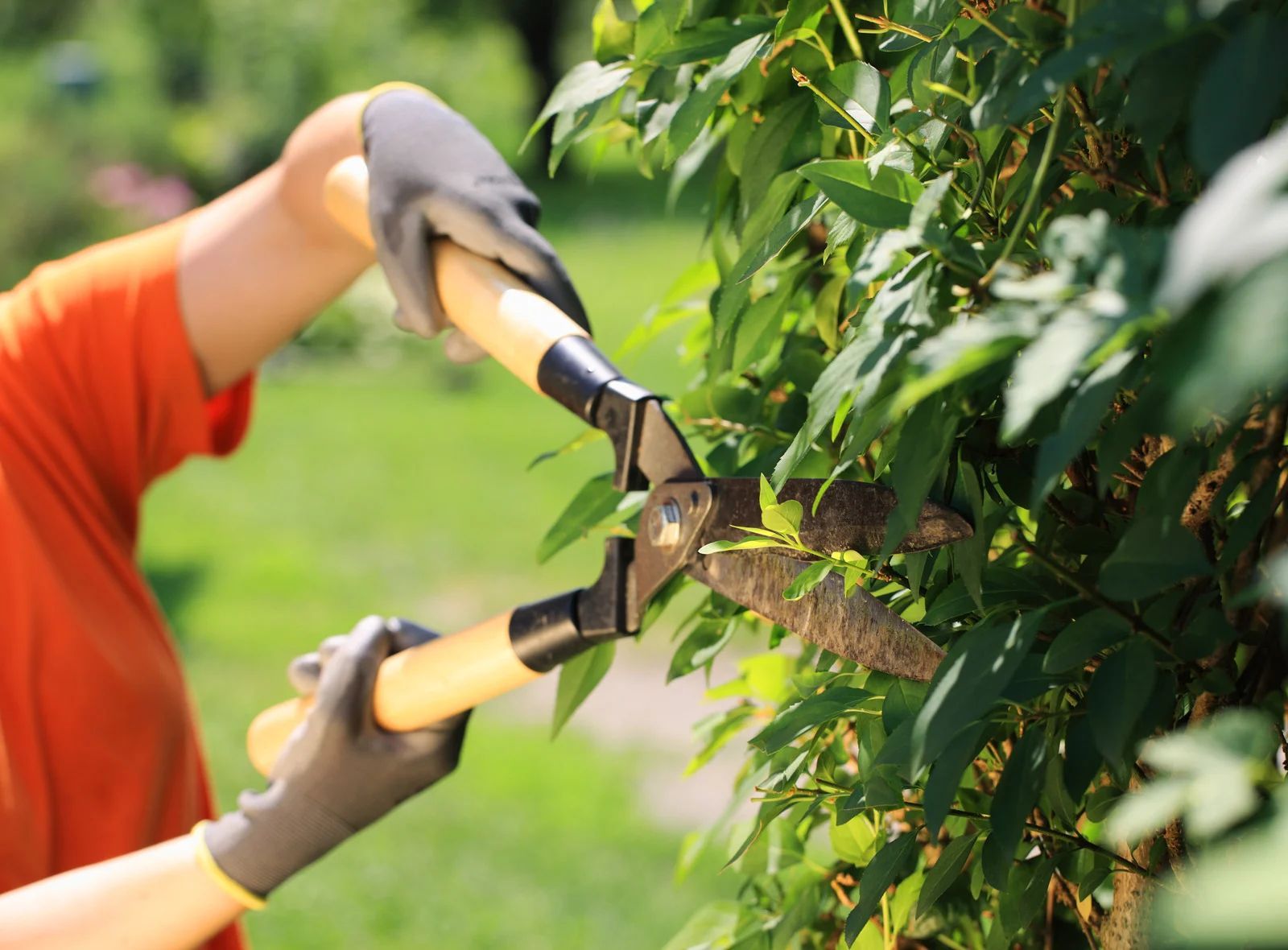
Professional tree trimmers have special knowledge and tools. They understand how trees grow and what they need to stay healthy. They can safely remove dead or damaged branches, shape the tree, and make sure it's safe for people and property. Trying to trim a tree yourself can be dangerous and might hurt the tree.
Common Tree Trimming Techniques
There are different ways to trim a tree. A professional tree trimmer will choose the right way based on the tree's needs. Here are some common techniques:
- Crown Thinning: This means removing some branches to let more light and air reach the inside of the tree. This helps prevent diseases and makes the tree stronger.
- Crown Reduction: This means shortening the tree's branches to make it smaller. This is often done to trees that are too close to buildings or power lines.
- Crown Raising: This means removing the lower branches of a tree to give more space underneath. This is good for driveways or walkways.
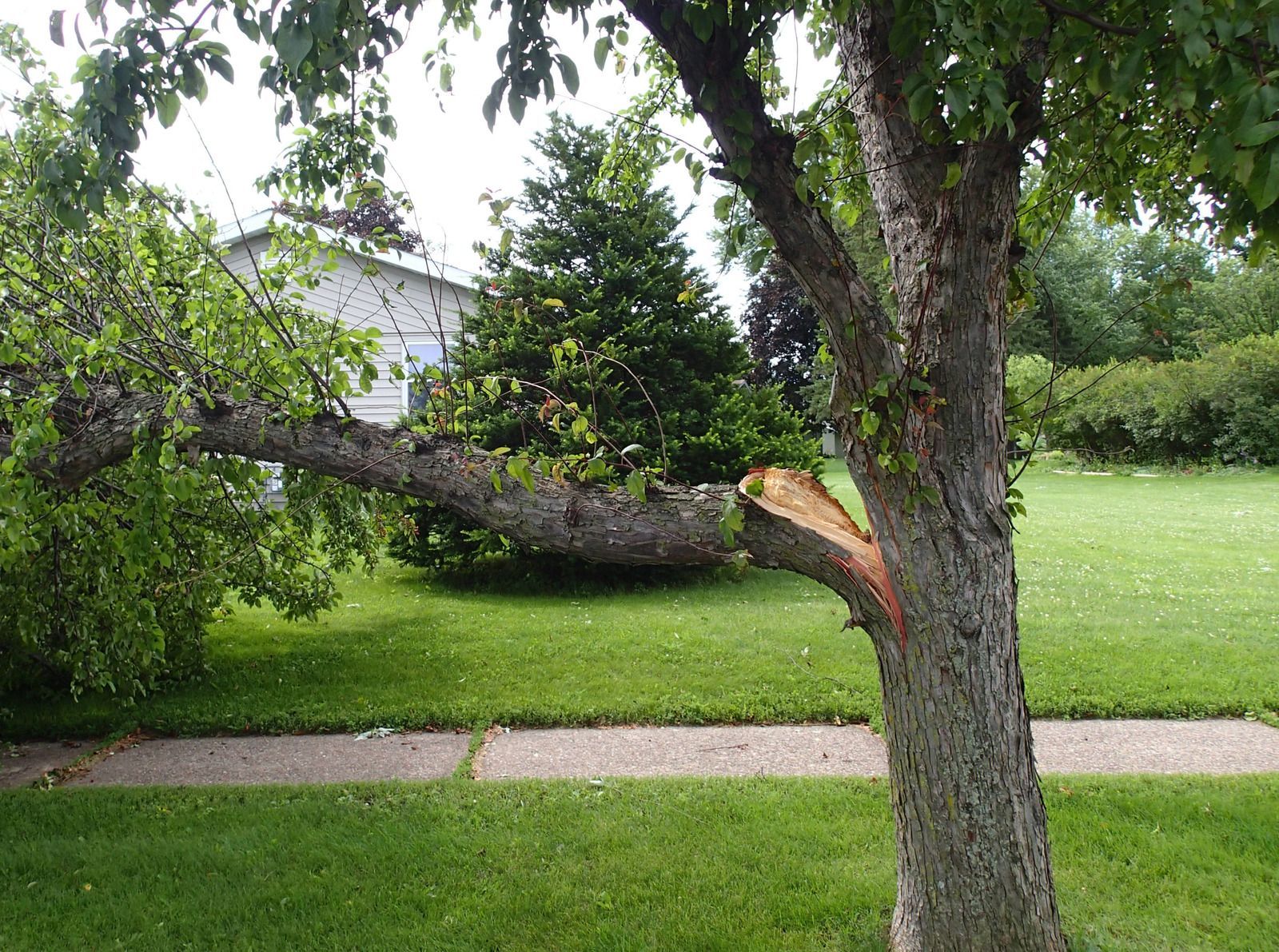
- Deadwooding: This means removing dead or dying branches, which helps the tree focus its energy on healthy growth.
The Importance of Proper Pruning Cuts
How you cut a branch matters. Professional tree trimmers know the right way to make a clean cut that helps the tree heal quickly. They avoid leaving stubs, which can cause problems.
Safety First
Tree trimming can be dangerous. Professional tree trimmers have the right equipment and training to work safely. They also know how to protect your property from damage.
When to Trim Your Trees
The best time to trim a tree depends on the type of tree. Some trees can be trimmed in the winter, while others are best trimmed in the late spring or early summer. A professional tree trimmer can tell you the best time for your trees.
Choosing a Professional Tree Trimmer
Not all tree trimmers are the same. Look for a trimmer who is experienced, insured, and has good reviews. Ask for references and get quotes from different companies before making a decision.
Additional Considerations
- Tree Health Assessment: Before trimming, a thorough inspection can identify potential problems such as pests, diseases, or structural weaknesses.
- Tree Species: Different tree species have specific pruning requirements, and an experienced arborist will tailor the trimming accordingly.
- Long-Term Tree Care: Regular professional maintenance, including fertilization and pest control, complements tree trimming for optimal health.
Regular professional tree trimming is a worthwhile investment. It safeguards your trees, your family, and your property. By understanding the importance of proper techniques and choosing a qualified arborist, you can enjoy the benefits of healthy, vibrant trees for generations.