Signs Your Garden Needs Professional Hedging Care
A beautiful garden creates an inviting outdoor space. Hedges define boundaries, add privacy, and enhance overall aesthetics. Without proper attention, they can grow unruly or lose their health. Some hedge care tasks demand expertise, and recognizing when assistance is necessary can save both time and effort. Keep an eye on these signs to determine when expert care becomes essential.
Overgrown and Untidy Hedges
Untrimmed hedges often lose their tidy appearance, disrupting the balance of a garden. Excessive growth may obstruct paths or invade neighboring areas. Using standard tools for such tasks can feel overwhelming. Professionals possess the skills and equipment to restore order efficiently.
Uneven Growth or Gaps
Disproportionate hedge sections signal improper trimming or inadequate nourishment. Sparse or patchy areas detract from the uniformity of a garden. Correcting these issues requires precision and knowledge of plant care techniques. Professionals can promote balanced growth and fill gaps effectively.
Dead or Discolored Leaves
Vibrant foliage indicates healthy plants, but discolored or dry leaves often suggest underlying problems. Issues such as soil deficiencies, pests, or diseases may cause this decline. Experts identify root causes and provide solutions suited to each situation, ensuring long-term health.
Loss of Shape and Structure
Hedges define outdoor spaces, but their visual appeal diminishes when they lose structure. Neglected plants become misshapen, creating a disorganized impression. Regular maintenance prevents this, but
reshaping overgrown hedges requires specialized techniques. Professionals reshape hedges precisely to achieve the desired aesthetic.
Inconsistent Hedge Density
Privacy hedges should provide consistent coverage, yet thinning leaves or branches compromise their function. Poor trimming techniques or neglect often contribute to this issue. Trained experts use proper methods to maintain density and encourage robust growth.
Presence of Pests or Diseases
Insects or diseases frequently attack neglected hedges, leaving visible damage. Symptoms like chewed leaves, abnormal spots, or drooping branches indicate an infestation or infection. Experts address these challenges safely, preventing further harm while revitalizing affected plants.
Inability to Manage Large Hedges
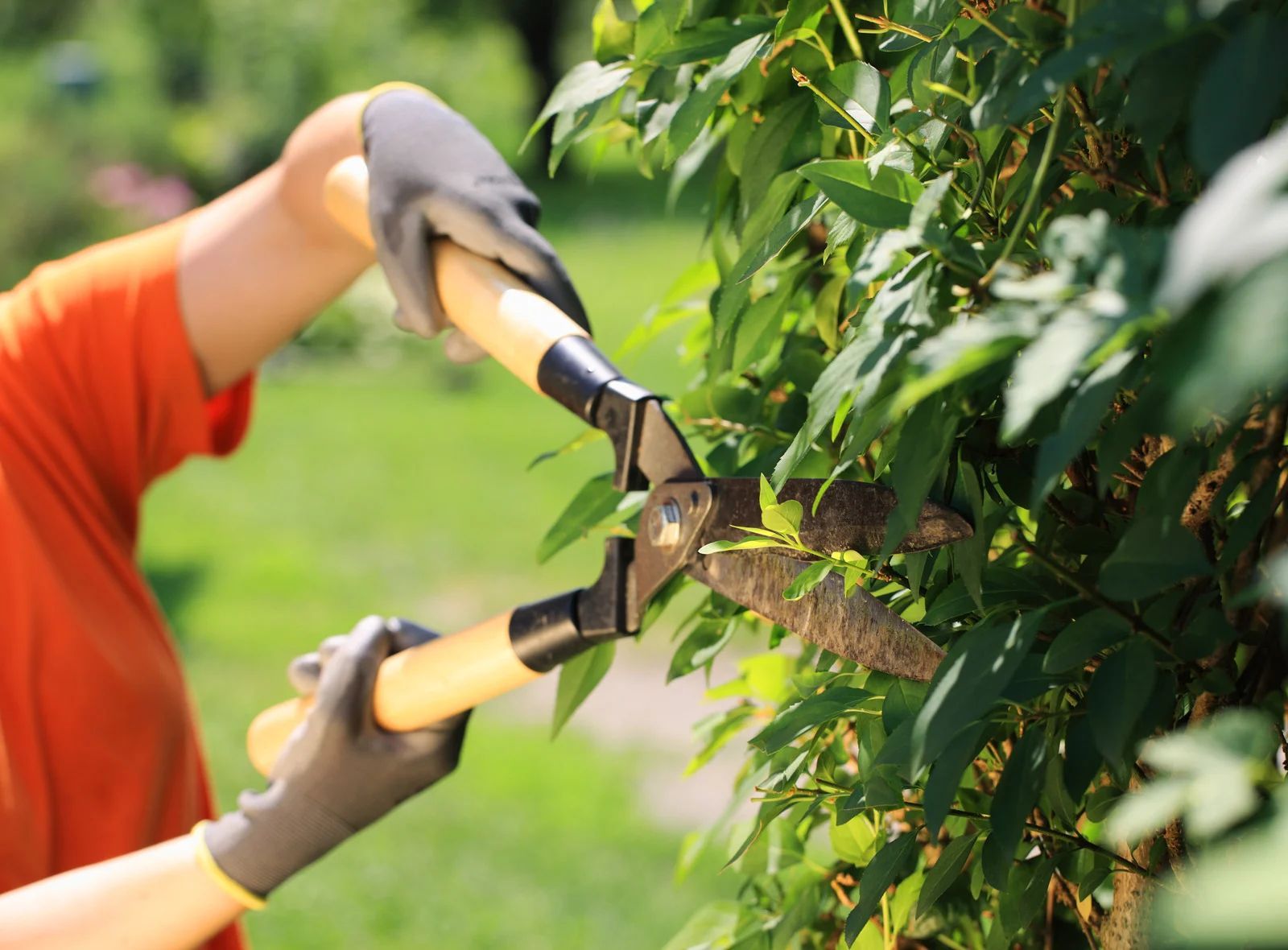
Tall or wide hedges demand specialized tools and advanced pruning skills. Attempting these tasks without preparation risks injury or damage to plants. Professionals handle larger jobs safely and achieve better results while saving you time.
Changes in Seasonal Growth
Growth patterns fluctuate based on seasons, with spring bringing rapid changes and winter exposing plants to harsh conditions. Adjusting maintenance schedules requires experience to maximize hedge health. Professionals adapt care routines to match seasonal needs effectively.
Busy Schedules Hinder Upkeep
Gardens require consistent maintenance, yet hectic lifestyles often leave little room for regular care. Neglecting this leads to overgrowth and potential plant health issues. Hiring professional services guarantees timely attention to every detail.
Desire for a Polished Garden Look
Polished gardens stand out with symmetrical, well-maintained hedges. Achieving that professional look can be challenging without experience. Expert trimming creates clean lines and enhances overall garden harmony, leaving your outdoor space looking its best.
Healthy hedges boost a garden's beauty and functionality. Expert care resolves common issues, ensuring a thriving, visually appealing outdoor space. Identifying these signs early helps you maintain an organized, attractive environment that reflects your attention to detail. Investing in professional services keeps your garden in perfect shape year-round.