The Stunning Impact of Tree Trimming on Landscape Design and Balance
Tree trimming does far more than keep branches neat or prevent hazards. When done correctly, it transforms the entire appearance and harmony of an outdoor space. Balanced shapes, healthy growth, and improved light exposure all work together to create a landscape that feels vibrant and well-designed. A single trimming session can redefine how trees blend with gardens, lawns, and homes.
Beyond beauty, trimming also supports long-term plant health and structural stability. Understanding the role of professional trimming reveals how small changes can produce striking results that enhance both the function and the aesthetic balance of your property.
1. Creates Visual Harmony Across the Landscape
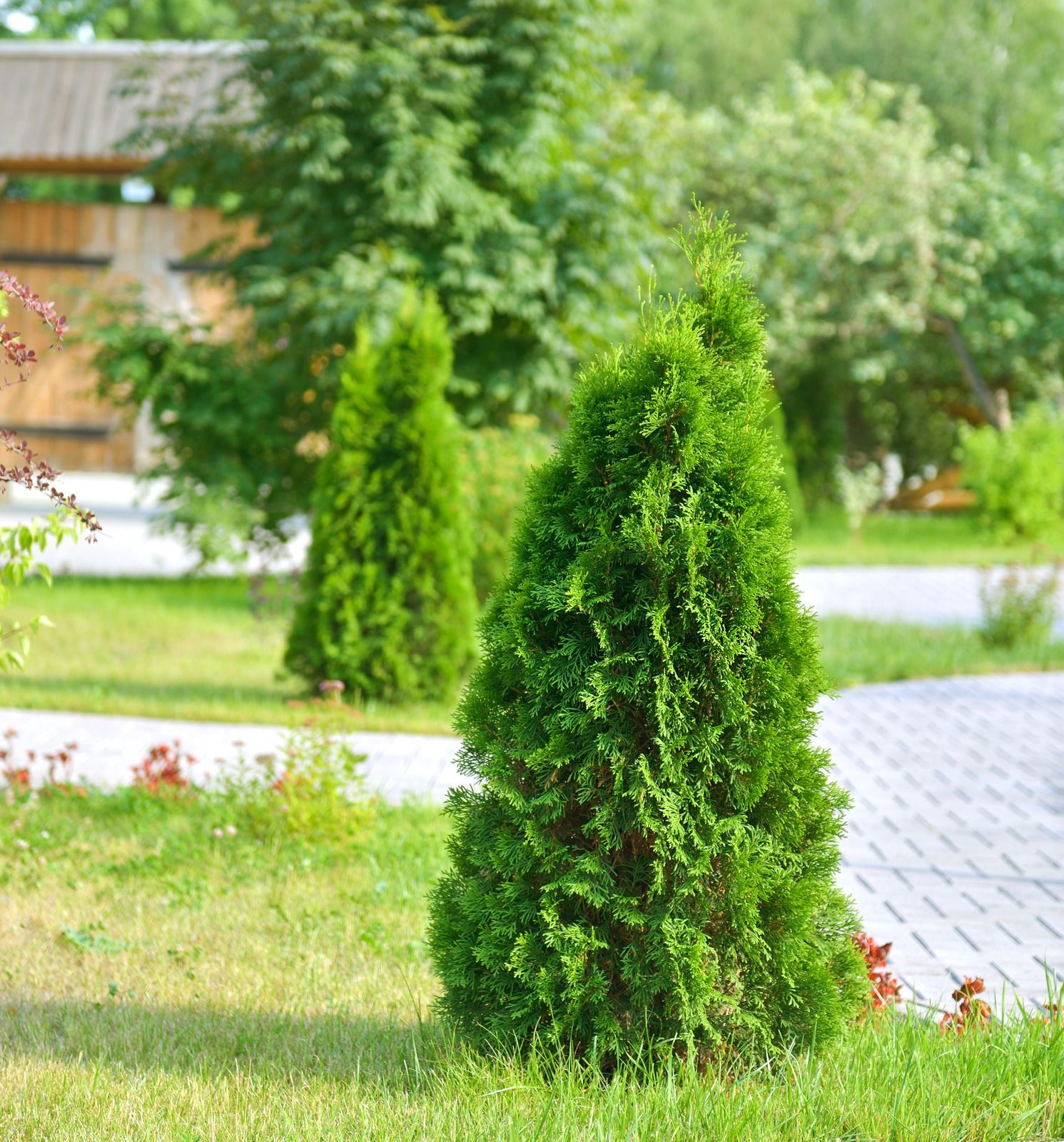
A well-trimmed tree enhances the overall flow of a landscape by bringing proportion and unity. Uneven or overgrown branches often make outdoor spaces look cluttered and unbalanced. By carefully shaping canopies, professionals create smoother lines and open spaces that align with surrounding plants and structures. Proper trimming ensures every tree contributes to the visual rhythm of the yard rather than overpowering it.
2. Enhances Natural Light and Viewpoints
Overgrown branches often block sunlight and restrict airflow, causing shaded areas that can limit grass and flower growth. Trimming opens the canopy, allowing sunlight to reach lower plants, which encourages a healthier and more colorful garden. It also helps reveal hidden architectural details, scenic views, and the full beauty of your property that may have been obscured by excess growth.
3. Promotes Healthier Growth and Structure
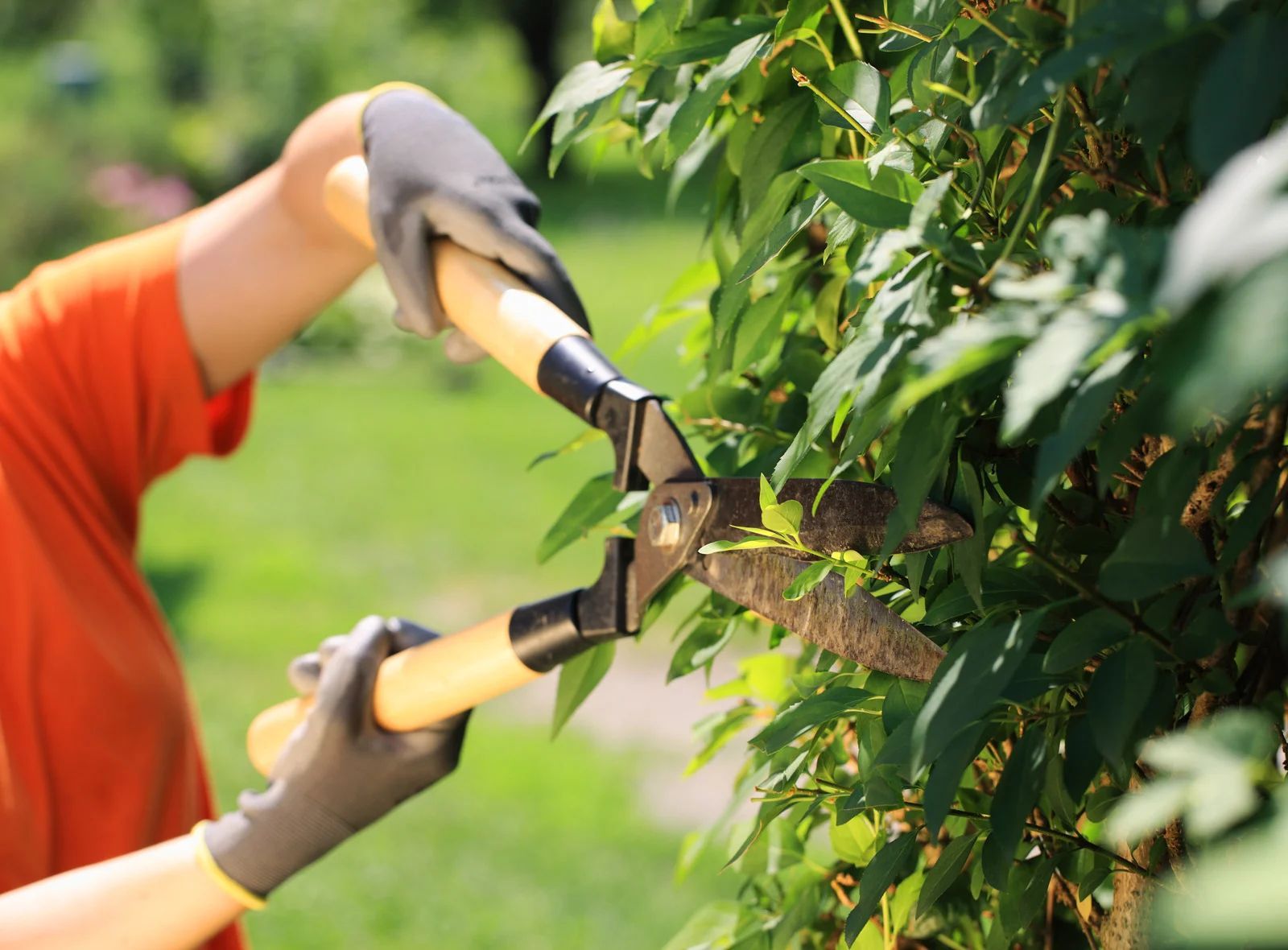
Regular trimming removes weak, diseased, or crossing branches that drain a tree’s strength. When the canopy is thinned, the remaining limbs receive more sunlight and nutrients, leading to stronger growth patterns. This practice supports long-term health and reduces the chance of future breakage. Healthy trees naturally look fuller and more balanced, contributing to a landscape that feels both vibrant and well cared for.
4. Defines Space and Improves Property Layout
Tree trimming helps define areas within a landscape by creating clear boundaries and open pathways. For example, shaping low branches near walkways or patios improves movement and visibility, while taller trimmed trees frame outdoor features like gardens or seating areas. This intentional structure makes outdoor spaces feel organized and inviting while guiding the eye toward focal points across the property.
5. Increases Curb Appeal and Property Value
Well-maintained trees significantly improve a property’s appearance and market value. Trimmed trees highlight the architectural style of a home, enhance the landscape’s symmetry, and create an impression of consistent upkeep. Potential buyers and visitors often notice how balanced and open the yard looks, which can make a powerful first impression. Even small trimming efforts can lead to major visual improvements that increase overall appeal.
6. Strengthens Safety While Preserving Beauty
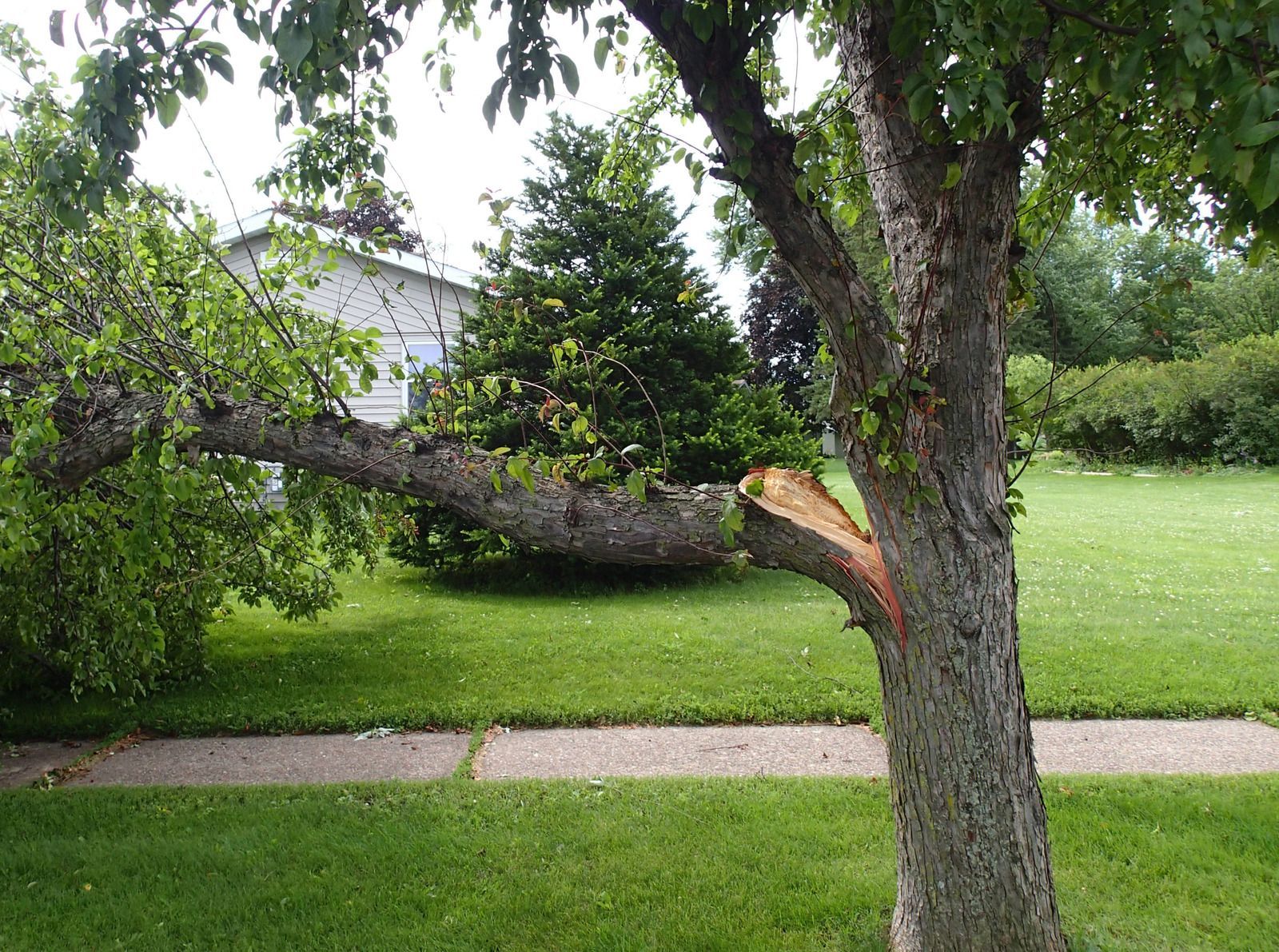
A beautifully designed landscape must also remain safe for residents and visitors. Overextended limbs pose risks during storms or strong winds. Timely trimming removes weak branches while maintaining the natural shape and elegance of the tree. This balance between safety and design ensures your landscape remains both secure and attractive year-round.
Conclusion
Thoughtful tree trimming not only enhances the appearance of outdoor spaces but also strengthens health, safety, and design balance. For homeowners seeking expert care, Suffolk Tree Work LI
offers
professional tree trimming services across Suffolk County, New York, helping transform ordinary yards into beautifully balanced and visually appealing landscapes.