Why Regular Tree Trimming Is Essential for Healthy Long Island Trees
Trees are among the most valuable assets on any property, providing shade, aesthetic appeal, and environmental benefits. In Long Island, where residential and commercial landscapes are dotted with mature trees, maintaining their health is crucial not only for their longevity but also for the safety of surrounding structures. Regular tree trimming, often overlooked by property owners, is a key component of comprehensive tree care. Proper trimming encourages strong growth, prevents potential hazards, and enhances the overall beauty of the landscape. Ignoring these maintenance practices can lead to weakened trees, increased susceptibility to disease, and costly emergency removals. Understanding the importance of tree trimming is essential for every Long Island property owner who values a healthy, safe, and visually appealing environment.
Tree trimming goes beyond simple aesthetics. While a well-manicured tree can enhance curb appeal, strategic trimming serves functional purposes as well. By removing dead or weak branches, arborists reduce the risk of falling limbs during storms and high winds, a frequent concern in the region. Additionally, trimming improves sunlight penetration and air circulation within the canopy, promoting photosynthesis and reducing the likelihood of fungal infections. As communities increasingly prioritize sustainable landscaping practices, regular tree maintenance has become an essential aspect of long-term tree health and property safety, making it an indispensable service for both homeowners and commercial property managers.
The Role of Tree Trimming in Tree Health
Preventing Disease and Pest Infestations
One of the most critical reasons for routine tree trimming is disease prevention. Dead or decaying branches create entry points for fungi, bacteria, and insects that can compromise tree health. In Long Island, common tree diseases such as oak wilt, anthracnose, and powdery mildew can spread rapidly if not managed through proper pruning. Regular trimming removes these vulnerable sections, limiting the risk of infection and maintaining the tree’s structural integrity.
Pest infestations, including those caused by aphids, borers, or scale insects, also target weakened branches. Trimming reduces hiding spots and allows for easier monitoring and treatment. By maintaining a balanced canopy, trees are better equipped to resist natural threats, ensuring longevity and reducing the need for costly chemical treatments.
Encouraging Strong Growth
Strategic pruning promotes balanced growth and a sturdy structure. Removing crossing or overcrowded branches ensures that trees develop a central leader and evenly spaced limbs, which is particularly important for young or newly planted trees. Strong branch architecture prevents structural failures during storms and reduces long-term maintenance requirements. For example, improperly spaced branches in maple or oak trees can lead to weak crotches that split under the weight of snow or ice. Professional trimming techniques address these issues proactively, preventing hazards before they develop.
Enhancing Safety for Property and People
Minimizing Storm Damage Risks
Long Island is prone to severe weather events, including nor’easters and hurricanes, which can place significant stress on trees. Overgrown or improperly trimmed branches are susceptible to breaking, potentially causing damage to homes, vehicles, and power lines. Regular tree trimming mitigates this risk by removing weak or compromised branches, reducing the likelihood of storm-related accidents.
For instance, homeowners who fail to trim large limbs overhanging their driveway or roof face increased liability during storms. A single falling branch can cause extensive property damage and personal injury. By investing in professional tree trimming, property owners proactively protect their assets while ensuring the surrounding environment remains safe.
Improving Visibility and Accessibility
Trimming trees not only protects property but also improves visibility and accessibility. Overgrown branches can obstruct driveways, walkways, and roads, creating hazards for pedestrians and vehicles alike. Removing excess growth ensures safe passage and enhances security by reducing hiding spots near entrances.
In urban or suburban settings, strategically trimmed trees can also prevent interference with traffic signs, streetlights, and utility lines. Proper pruning ensures that trees coexist safely within their environment, reducing maintenance challenges and enhancing overall safety.
Boosting Aesthetic Appeal and Property Value
Enhancing Landscape Design
A well-maintained tree contributes significantly to a property’s visual appeal. Professional trimming shapes trees to complement their surroundings, highlight architectural features, and create focal points in landscaping design. For homeowners and commercial property managers, this aesthetic improvement translates to a more inviting and cohesive environment.
For example, selectively thinning branches can open up the canopy, allowing sunlight to reach lower plants and lawns. This practice not only improves the appearance of the entire landscape but also supports the health of understory vegetation. Regular trimming ensures that trees retain a clean, elegant form while enhancing the overall harmony of outdoor spaces.
Increasing Market Value
Properly maintained trees can also increase property value. Mature, healthy trees are desirable assets for potential buyers, offering shade, privacy, and visual appeal. Conversely, neglected trees can signal deferred maintenance, potentially deterring buyers or lowering appraisal values.
In Long Island, where real estate values are highly competitive, professional tree care can be a differentiator. A landscaped property with regularly trimmed trees communicates attention to detail, investment in longevity, and overall pride of ownership. Property owners can leverage tree maintenance as both an aesthetic and financial strategy.
Promoting Environmental and Ecological Benefits
Improving Air and Soil Quality
Trees contribute significantly to the environment by absorbing carbon dioxide, producing oxygen, and filtering airborne pollutants. Regular trimming enhances these benefits by maintaining a healthy canopy that maximizes photosynthesis. Additionally, removing diseased or decaying branches prevents organic matter from accumulating excessively on the ground, which can otherwise disrupt soil balance and promote fungal growth.
Healthy trees also reduce soil erosion by maintaining strong root systems and adequate shade, which prevents excessive drying of the soil. In urban and suburban areas, this is particularly valuable for stormwater management and overall ecological stability.
Supporting Wildlife Habitats
Strategic tree trimming can support local wildlife populations. While over-trimming can be harmful, professional arborists ensure that trimming is done selectively to preserve nesting sites, food sources, and protective cover for birds, squirrels, and other wildlife. Maintaining a balanced tree structure promotes biodiversity while allowing the tree to thrive in its natural environment.
For example, selectively thinning a dense canopy allows sunlight to reach shrubs and ground-level plants, encouraging insects and smaller animals that form the foundation of the local ecosystem. This approach highlights the importance of thoughtful, informed tree trimming that balances human needs with environmental stewardship.
Best Practices and Challenges in Tree Trimming
Timing and Seasonal Considerations
The timing of tree trimming is critical for success. Most Long Island trees benefit from late winter or early spring pruning before new growth begins. This period minimizes stress on the tree, reduces sap loss, and allows wounds to heal quickly. Certain species, like maples and birches, require specific seasonal consideration to prevent bleeding or disease susceptibility.
Trimming during the wrong season can weaken trees or encourage pest infestations. Homeowners should consult with professional arborists to determine optimal timing based on species, tree health, and local climatic conditions.
Techniques and Tools for Effective Trimming
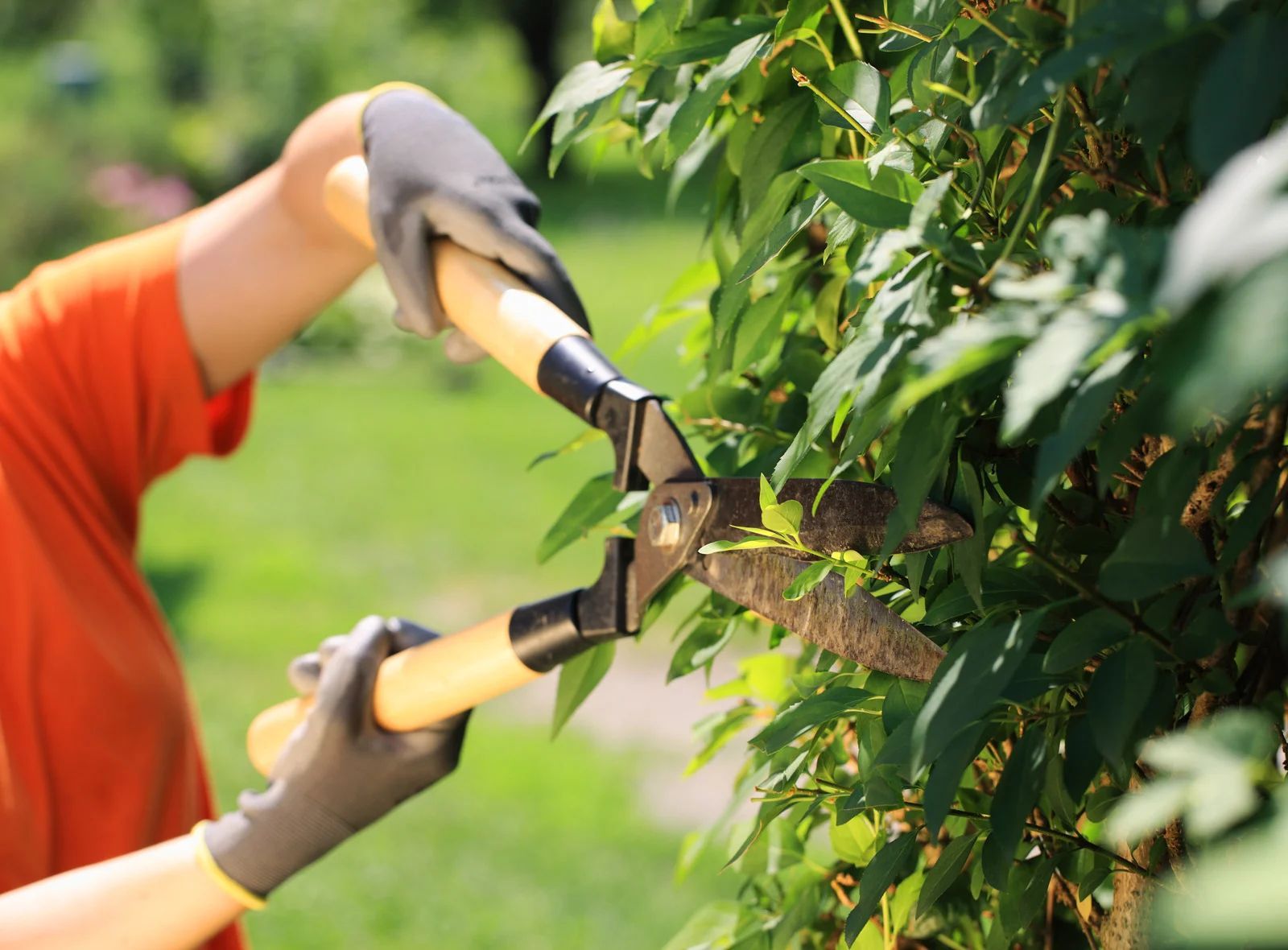
Proper tree trimming requires specialized knowledge and equipment. Techniques such as crown thinning, crown reduction, and crown raising are applied depending on the tree’s structure, age, and location. Incorrect cuts can lead to weak growth, decay, or structural failure.
Professional arborists use high-quality tools, including pole pruners, saws, and climbing equipment, to access branches safely and efficiently. They also follow industry standards, such as the ANSI A300 guidelines, to ensure that trimming is performed safely and effectively.
Homeowners attempting DIY trimming without proper training risk injury, tree damage, and long-term health consequences for the tree.
Cost Considerations and Long-Term Investment
While tree trimming involves upfront costs, it represents a long-term investment in property protection and tree health. Neglecting maintenance can result in more significant expenses, including emergency removal, disease treatment, and storm damage repairs.
Investing in regular trimming ensures consistent monitoring of tree health, reduces the likelihood of hazardous incidents, and prolongs the life of trees. For commercial properties, the benefits are even more pronounced, as well-maintained trees contribute to employee safety, client impressions, and overall operational efficiency.
Experienced Tree Care Specialists Ensuring Strong Growth
Regular tree trimming is a fundamental aspect of maintaining healthy, safe, and visually appealing trees in Long Island. From disease prevention and structural strengthening to hazard mitigation and aesthetic enhancement, routine pruning serves multiple essential purposes. Property owners benefit from improved tree health, increased property value, and reduced risks associated with storm damage, pests, and overgrowth. Strategic trimming also promotes environmental sustainability by supporting wildlife habitats, enhancing soil quality, and maintaining balanced ecosystems.
Suffolk Tree Work LI, based in Suffolk County, New York, brings several years of expertise to professional tree trimming and care. Our team combines local knowledge with advanced techniques to ensure that each tree thrives while enhancing property safety and beauty. We provide comprehensive evaluations, tailored trimming plans, and ongoing support to protect your investment. Trust Suffolk Tree Work LI to deliver reliable, efficient, and expert tree care that keeps your Long Island trees healthy, strong, and beautiful for years to come.