Shaping Up Your Landscape with Creative Hedging Techniques
You can do a lot with hedges surrounding your property and make your home or business look beautiful. They bring versatility along with privacy and make your property visually interesting. Usually we associate hedging with rows of neatly trimmed evergreen and boxwood shrubs. Sometimes it is fun to go beyond this classic approach and do something non-traditional. Making your hedges look creative and unique needs some techniques.
Thinking Outside the Boxwood With Alternative Hedging Plants
Flowering Hedges
Hedges that bloom throughout the season add a touch of color and fragrance to your landscape. Lilacs, abelia, and flowering quince are some examples.
Fruiting Hedges
Hedges that produce edible fruits like blueberries, raspberries, or gooseberries offer both beauty and a delicious harvest.
Native Hedges
Native plants provide habitat for pollinators and are often well-adapted to your local climate, requiring less maintenance. Consider viburnum, inkberry, or serviceberry.
Formal vs. Informal Hedges
Formal hedges are characterized by a straight, manicured appearance, while informal hedges can be rounded, sculpted, or allowed to grow in a more natural form.
Creative Hedging Techniques to Elevate Your Landscape
Sculpted Hedges
For a touch of artistry, consider shaping your hedges into geometric shapes, animals, or even letters. This technique requires some skill and planning but can create a truly unique focal point in your landscape.
Layered Hedges
Planting different hedge plants in tiers can add depth and visual interest to your property line. Use taller shrubs in the back and shorter ones in the front for a layered effect.
Hedged Walkways
Create a charming and private walkway by planting hedges on either side. Choose plants with a manageable height and width to ensure there's ample space for walking.
Living Screens
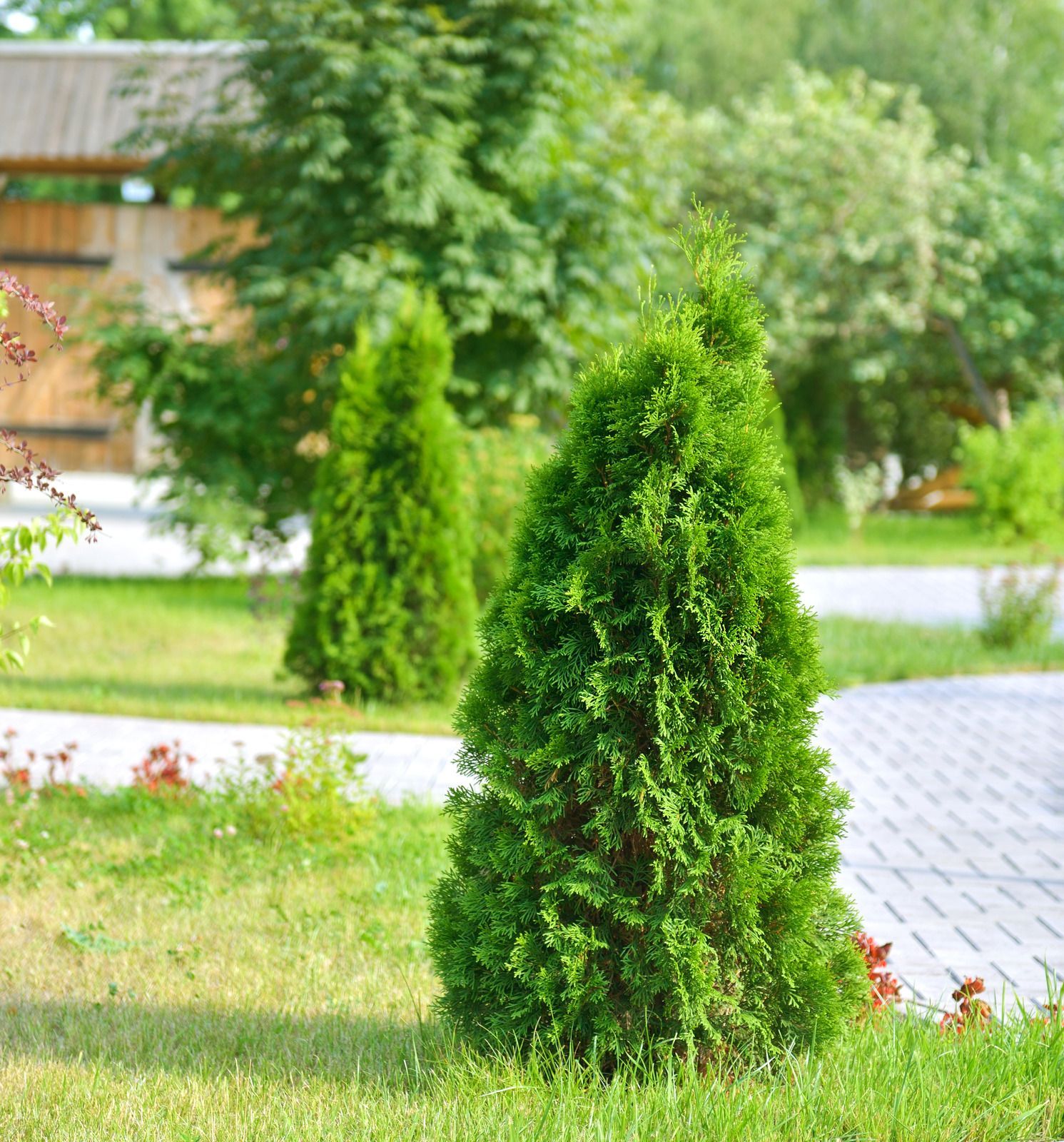
Hedges can be used to create privacy screens, blocking unsightly views or providing a buffer between your property and a busy street. Opt for fast-growing hedge plants like arborvitae or Leyland cypress for quicker screening.
Choosing the Right Hedging Plants for Your Needs
Growth Rate and Size
Choose plants that will reach the desired mature height and width for your hedge purpose. Consider how fast they grow and how often you're willing to trim them.
Climate and Sunlight
Select plants that thrive in your climate zone and receive the amount of sunlight available in your planting location.
Maintenance Needs
Some hedges require frequent trimming to maintain their shape, while others are more low-maintenance. Consider your time commitment for upkeep.
Soil Conditions
Match your chosen hedge plants to the existing soil conditions in your yard. Some plants prefer well-drained soil, while others tolerate clay or sandy soils better.
Exploring creative hedging techniques and choosing the right plants for your needs can transform your landscape into a visually stunning and functional space. From sculpted masterpieces to layered privacy screens, hedges offer endless possibilities to add beauty, structure, and personality to your property. So, ditch the traditional boxwood approach and embrace the world of creative hedging. Your creatively hedged landscape will flourish for years with careful planning and proper care.